About The Conversation
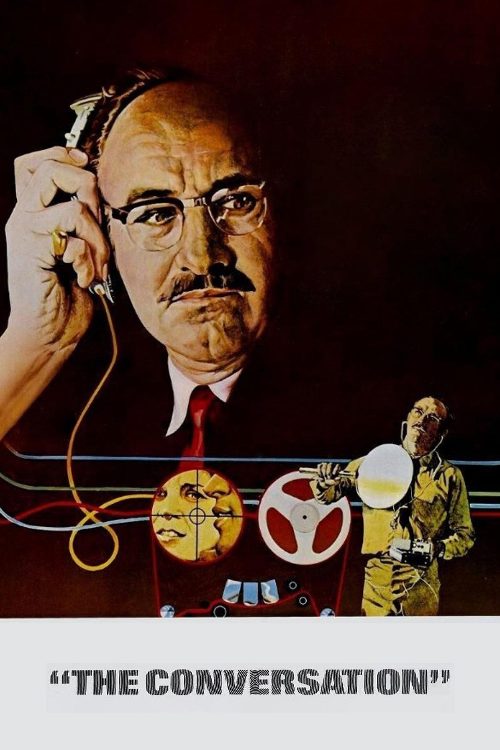
A paranoid, secretive surveillance expert has a crisis of conscience when he suspects that the couple he is spying on will be murdered.
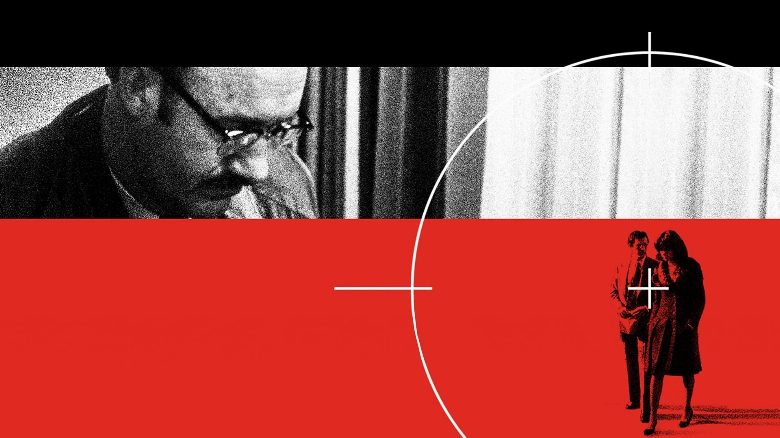
Francis Ford Coppola redefined the landscape of psychological tension with The Conversation, a masterwork that remains as relevant today as it was during the mid-seventies. Far removed from the bombastic spectacle often associated with his other projects, this film functions as a chilling character study centered on Harry Caul, a man whose existence is defined by his ability to capture the private lives of others while remaining utterly detached. In an era where digital privacy is a constant point of societal anxiety, the film serves as a foundational text for anyone interested in the ethics of observation. The narrative meticulously peels back the layers of a protagonist who believes he can remain objective, only to find himself unraveling as he interprets ambiguous audio recordings that hint at a looming tragedy.
The film occupies a fascinating space in American cinema, mirroring the deep-seated mistrust that permeated the national consciousness during the post-Watergate period. While modern Indian audiences are increasingly drawn to high-stakes thrillers that blend investigative intrigue with moral ambiguity, this classic offers a blueprint for how to build unbearable suspense without relying on action sequences. It is a slow-burning descent into obsession that prioritizes sound design and subtle performances over visual flair. Gene Hackman delivers a career-defining turn, portraying a man whose professional competence is directly proportional to his profound personal isolation. His performance captures the specific loneliness of someone who watches the world but never truly engages with it.
Viewers who appreciate the cerebral pacing of contemporary Malayalam crime dramas or the intricate plotting found in the best of Telugu noir will find much to admire here. It is an essential watch for those who enjoy stories where the antagonist is not a physical force but the protagonist’s own fracturing psyche. By stripping away the glamour of espionage, the film forces the audience to confront the unsettling reality that our private words can be twisted by those who listen without context. It stands as a profound exploration of guilt and the heavy price of professional detachment. For anyone looking to understand the mechanics of the modern paranoid thriller, this remains the definitive starting point, proving that the most terrifying mysteries are often the ones we construct in our own minds.
Cast(17)