About The Demon
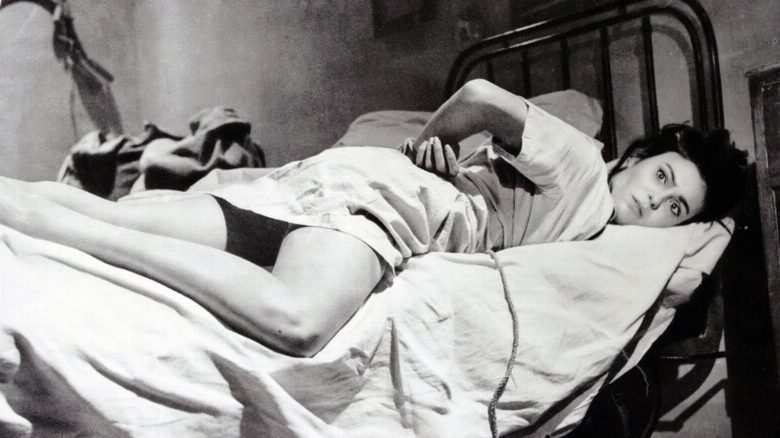
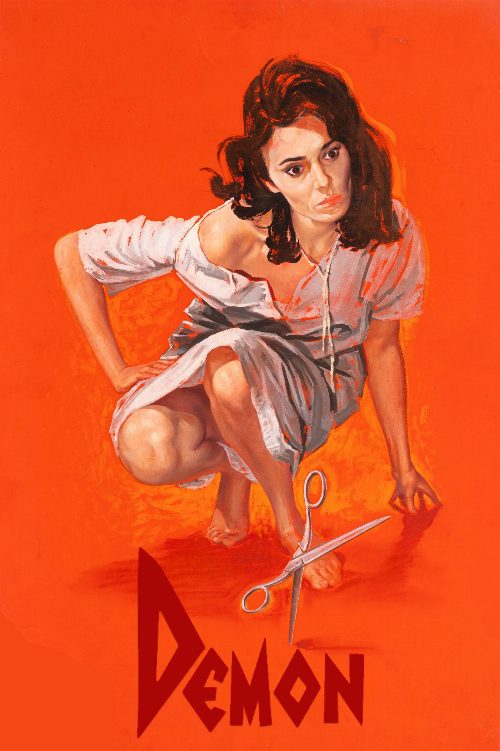
Purif is distraught when her lover is betrothed to another. When she summons the old ways to curse him, her erratic behavior is interpreted as demonic possession, and the villagers turn against her with physical and sexual violence.
The haunting atmosphere of The Demon serves as a stark reminder of how mid-century European cinema frequently navigated the intersection of folk superstition and societal cruelty. Released in 1964, this Italian production delves into the tragic unraveling of a woman named Purif, whose personal heartbreak spirals into a nightmare of public persecution. While modern audiences often associate horror with jump scares or supernatural entities, this film opts for a more grounded, visceral terror rooted in the volatile nature of a small, isolated community. It captures a specific historical moment where the fear of the unknown was weaponized against those who dared to step outside the rigid boundaries of local tradition, creating a narrative that feels both timeless and deeply uncomfortable to witness.
For fans of Indian cinema, particularly those who appreciate the psychological depth found in regional classics that explore rural isolation and societal judgment, this film offers a fascinating comparative study. Much like the intense social dramas produced in the Malayalam or Kannada film industries that examine the crushing weight of community expectations, The Demon highlights how quickly empathy vanishes when fear takes hold. The narrative avoids the comfort of a clear villain, instead focusing on the collective hysteria of the villagers who use the guise of religious or moral righteousness to justify their brutality. It is a bleak, uncompromising look at how easily a vulnerable individual can be discarded by the very people who claim to uphold the sanctity of their home.
Viewers who gravitate toward atmospheric, character-driven dramas will find much to admire in the film’s deliberate pacing and its refusal to offer easy resolutions. It is a work for those who prefer their horror to linger in the psyche rather than manifest in cheap thrills. The performances, particularly the depiction of Purif’s descent from a spurned lover to an outcast, ground the story in a palpable sense of loss and indignation. By stripping away the comfort of the familiar, the film forces the audience to confront the darker impulses of the human collective. It remains a significant piece of genre history, standing as a testament to the power of cinema to reflect the darkest corners of the human condition without needing to rely on monsters from the shadows, as the true demons here are clearly those who walk among us.
Cast(18)