About The Demons
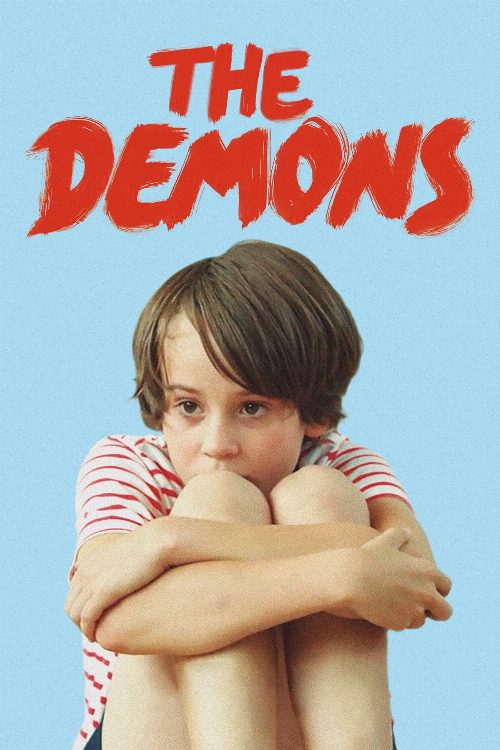
While Montreal is in the throes of a string of kidnappings targeting young boys, ten-year-old Felix is finishing his school year in the seemingly quiet suburb where he lives. A sensitive boy with a vivid imagination, Felix is afraid of everything. Little by little, his imaginary demons begin to mirror those of the truly disturbing world around him.
Philippe Lesage constructs a deeply unsettling portrait of childhood vulnerability in his 2015 feature The Demons, a film that masterfully bridges the gap between internal anxieties and external threats. Set against the backdrop of a suburban Montreal community grappling with a series of mysterious disappearances involving young boys, the story centers on Felix, a ten-year-old whose fragile composure is tested by the creeping darkness of his environment. Unlike typical thrillers that rely on jump scares or conventional tension, this drama opts for a slow-burning psychological atmosphere where the protagonist’s overactive imagination becomes a lens for examining adult failings and societal instability. The brilliance of the film lies in its refusal to provide easy answers, instead forcing the audience to sit with the discomfort of a world where safety is merely an illusion.
For viewers accustomed to the high-octane narratives often found in contemporary Indian cinema, where heroism and moral clarity typically define the protagonist, this French production offers a starkly different experience. It aligns more closely with the introspective, atmospheric storytelling seen in the rising wave of independent Malayalam and Tamil dramas that prioritize mood and character study over spectacle. Lesage captures the specific, fleeting terror of youth with surgical precision, portraying how a child absorbs the unspoken fears of his parents and neighbors. By focusing on the quiet suburban landscape, the film suggests that the most profound dangers are rarely the ones we expect, but rather the ones hiding in plain sight behind domestic normalcy.
This film is an essential watch for cinephiles who appreciate nuanced performances and deliberate pacing. Edouard Tremblay Grenier delivers a performance of remarkable subtlety, grounding the film in a raw, authentic perspective that feels both intimate and universal. It is positioned as a sophisticated exploration of how trauma and uncertainty infiltrate the developing mind, making it a compelling choice for those who enjoy psychological dramas that linger in the memory long after the credits roll. Whether you are a devotee of European art house cinema or simply a fan of stories that peel back the layers of human fragility, the work stands as a testament to the power of atmospheric filmmaking. It serves as a reminder that the demons we carry are often reflections of the fractured society that surrounds us, a theme that resonates across all cultural borders and cinematic traditions.
Cast(14)