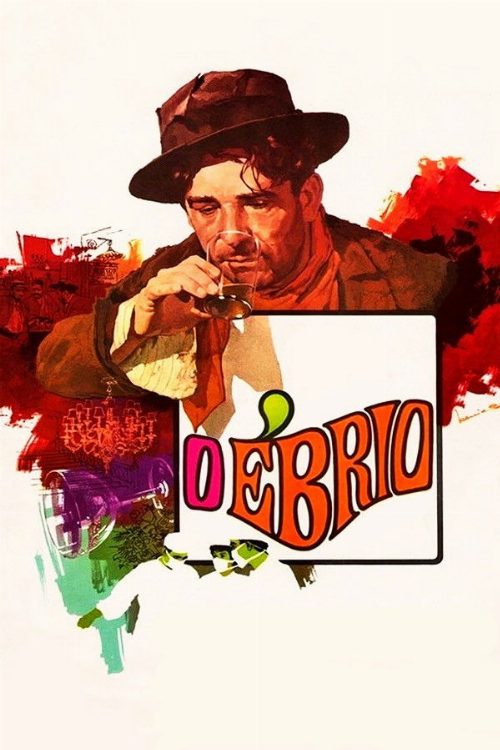
About The Drunkard
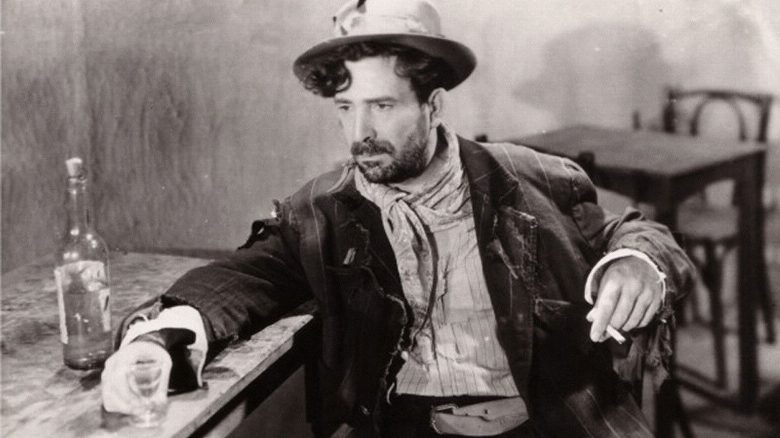
A good-hearted man, betrayed by his wife and friends, fakes his death and takes up a new identity, as a nameless, wandering drunkard.
Gilda de Abreu occupies a fascinating space in the history of Brazilian cinema, and her 1946 feature The Drunkard remains a poignant study of human fragility that resonates even for contemporary audiences accustomed to the high-stakes emotional dramas of current Indian regional cinema. While today we often see Telugu or Malayalam films exploring the depths of personal tragedy and social exile, this classic Portuguese production captures a similar essence of the fallen protagonist seeking redemption through anonymity. The narrative focuses on a once-respected individual who chooses to shed his former life entirely after suffering profound personal betrayal. Instead of seeking vengeance, he retreats into the shadows, adopting the persona of a destitute wanderer. This transition from a life of structure to one of chaotic invisibility serves as a powerful metaphor for the fragility of reputation and social standing, themes that feel remarkably universal.
The film is anchored by a performance that leans heavily into the theatrical sensibilities of the mid-forties, yet it retains a grounded sense of sorrow that anchors the musical elements integrated into the plot. For viewers who appreciate the Golden Age of cinema or those who enjoy slow-burn character studies, this work offers a glimpse into how South American filmmakers utilized song and performance to articulate internal pain. It is less about the mechanics of the deception and more about the psychological toll of existing as a ghost among the living. Fans of character-driven dramas who enjoy the emotional intensity found in classic Indian melodramas will likely find a familiar rhythm here, as the film prioritizes the internal conflict of the protagonist over external action.
As one of the earliest examples of a female director shaping the landscape of Brazilian film, Gilda de Abreu brings a sensitive, nuanced eye to the subject of alcoholism and social ostracization. The film stands out for its willingness to explore the underside of human experience without relying on cheap sentimentality. It positions the titular figure not just as a cautionary tale, but as a man grappling with the heavy burden of his own memory. For those interested in the evolution of global storytelling, this production remains an essential viewing experience, bridging the gap between historical period drama and the timeless exploration of what happens when a person finally decides they have had enough of their own reality. It is a compelling look at the masks people wear and the liberation, however painful, that comes from taking them off.
Cast(11)