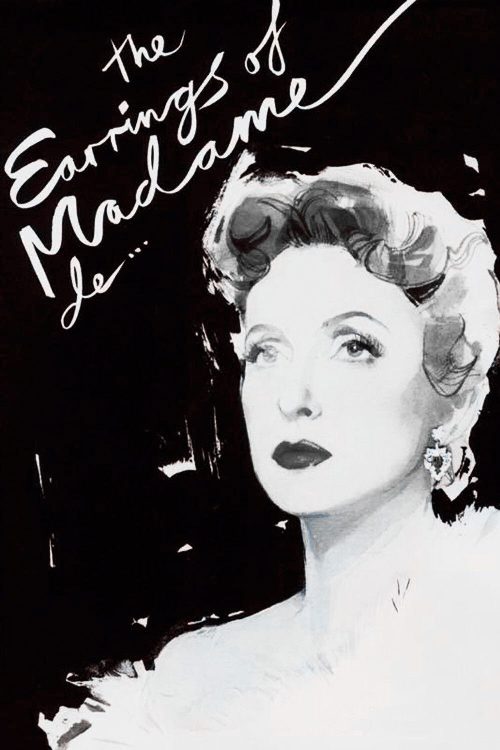
The Earrings of Madame de...(1953)
About The Earrings of Madame de...
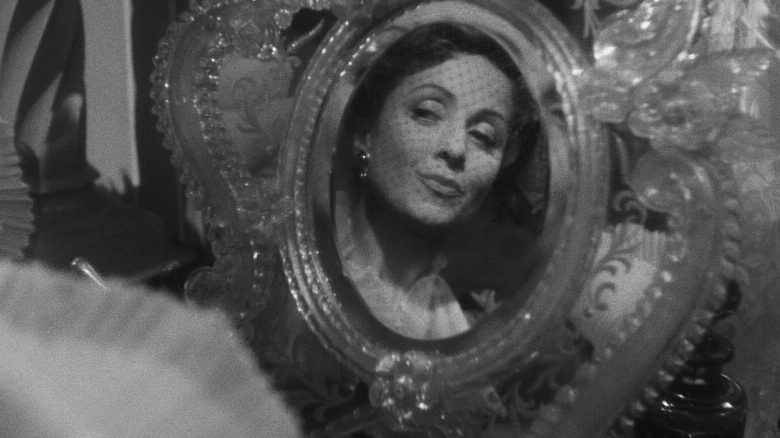
In late 19th century France, the Countess Louise, wife of a wealthy general, sells the earrings her husband gave her on their wedding day to pay off her secret debts, then claims to have lost them. Her husband quickly learns of the deceit, which is the beginning of many tragic misunderstandings, all involving the earrings, the general, the countess, and her new lover, the Italian Baron Donati.
Max Ophuls masterfully transformed a simple piece of jewelry into a circular narrative device that functions as both a catalyst for romance and a harbinger of inevitable social ruin. Set against the rigid backdrop of nineteenth century French high society, the film follows a countess who attempts to cover her financial indiscretions by selling a precious gift from her husband. This seemingly minor white lie initiates a complex chain reaction, turning the earrings into a recurring motif that passes between lovers and spouses, revealing the fragile nature of reputation and the hollowness of marital performance. For fans of Indian cinema, this narrative structure might feel surprisingly familiar, echoing the thematic weight of classical dramas that explore the tension between public status and private desire, much like the intricate emotional entanglements seen in the works of Satyajit Ray or the sophisticated social critiques found in contemporary Malayalam character studies.
The brilliance of this production lies in its visual fluidity, where the camera drifts through opulent ballrooms as if it were a silent witness to the characters own self-deceptions. Danielle Darrieux delivers a performance that perfectly captures the internal conflict of a woman trapped by the expectations of her station, while Charles Boyer brings a chilling, calculated edge to the role of the general. While it belongs to a different era and cultural sphere, the film resonates with modern audiences who appreciate stories where material objects become vessels for human frailty. It is a quintessential piece for viewers who enjoy slow-burn psychological dramas that prioritize subtext over overt action, demonstrating how a small, ego-driven mistake can spiral into a profound existential crisis.
This cinematic achievement stands as a pinnacle of the melodrama genre, offering a masterclass in how to weave tragedy into the fabric of domestic life. By focusing on the transient nature of love and the permanence of societal judgment, the film remains as biting and relevant today as it was at its debut. Those who follow the evolution of international storytelling will recognize in this work the same preoccupation with honor and sacrifice that persists in modern global film industries. It is a sophisticated, visually arresting experience that invites the audience to observe the absurdity of high-society manners, making it an essential watch for anyone interested in the history of the romantic drama or the technical evolution of the moving camera as a narrative force.
Cast(32)