The Godfather Part II(1974)
“The rise and fall of the Corleone empire.”
About The Godfather Part II
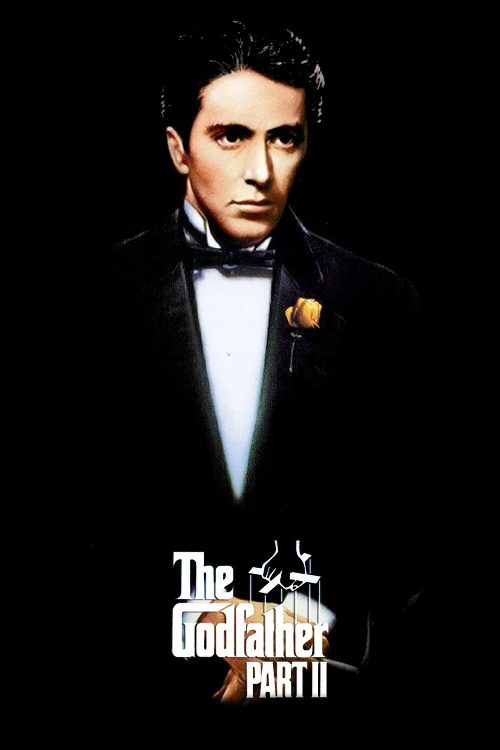
In the continuing saga of the Corleone crime family, a young Vito Corleone grows up in Sicily and in 1910s New York. In the 1950s, Michael Corleone attempts to expand the family business into Las Vegas, Hollywood and Cuba.
Francis Ford Coppola achieved a rare feat in cinematic history by crafting a sequel that transcends its predecessor, weaving a dual narrative that functions as both a tragic origin story and a chilling study of moral erosion. While many modern blockbusters struggle to balance multiple timelines, this landmark drama masterfully juxtaposes the formative years of an immigrant striving for survival with the cold, calculated consolidation of power decades later. By shifting the focus from the desperate, survivalist instincts of the early twentieth century to the sterile, boardroom-style machinations of the mid-fifties, the film illustrates the corrosive nature of absolute authority. It remains a foundational text for anyone interested in the anatomy of power, serving as a darker, more introspective companion to the initial installment that redefined the crime genre.
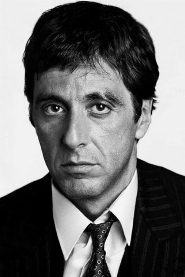
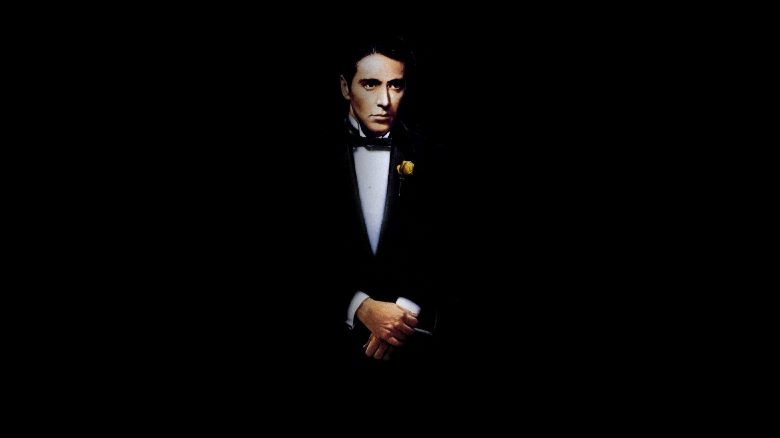
For audiences accustomed to the high-stakes world-building found in contemporary Indian cinema, where grand family legacies and systemic corruption often collide, this classic offers a familiar yet elevated thematic landscape. Much like the sprawling epics seen in Telugu or Tamil industries, where the lineage of a household determines the fate of its members, the Corleone saga explores how individual morality is systematically sacrificed for the sake of institutional longevity. Al Pacino delivers a performance defined by profound stillness, portraying a man who gains the world only to find his own soul becoming increasingly hollow. The film does not merely depict criminal activity; it serves as a haunting exploration of the American dream turning into a nightmare, capturing the isolation that accompanies reaching the summit of a criminal empire.
Those who appreciate slow-burning narratives that prioritize character development over kinetic action will find this work essential viewing. It is a film for the patient observer, demanding attention to the subtle shifts in facial expressions and the weight of unspoken words. Following the immense success of his earlier project, Coppola utilized this opportunity to expand the scale of the narrative, moving across borders from the dusty landscapes of Sicily to the glitz of Las Vegas and the political volatility of pre-revolutionary Cuba. The production design and atmospheric lighting reflect a commitment to historical authenticity that remains influential to this day. By examining the cyclical nature of violence and the inescapable burden of inheritance, the movie secures its place as a peerless example of storytelling that resonates just as strongly with modern global audiences as it did with its original generation of viewers.
Cast(55)