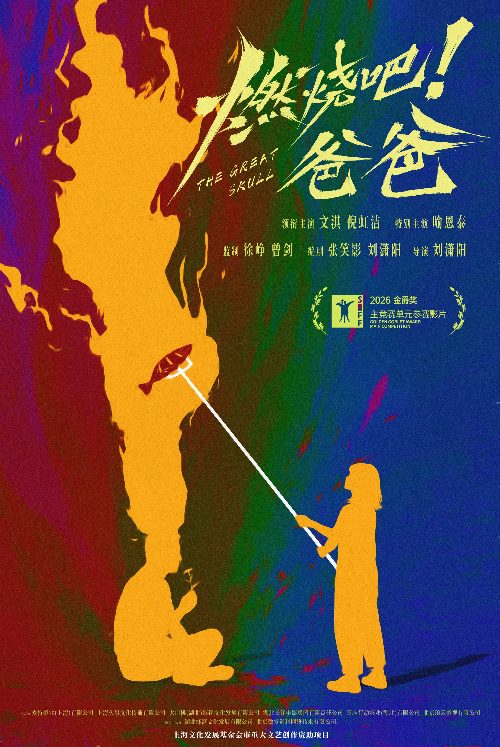
The Great Skull(2026)
About The Great Skull
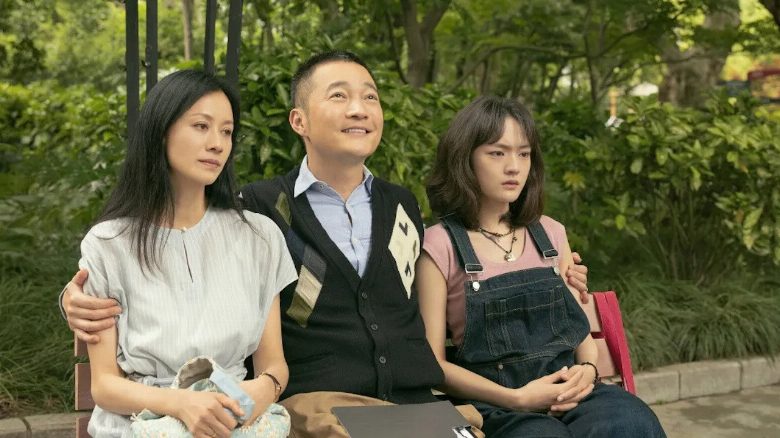
Gu Liyan, on the verge of graduating from university, suddenly faced her father's death and had to assist her sharp-witted mother in navigating the tedious funeral arrangements. Unexpectedly, the 'Funeral Affairs Committee' secretly organized by her father before his death suddenly arrived at their doorstep... With unanticipated guests, absurd situations, and ridiculously dramatic events, the mother-daughter duo urgently needed to gather their strength to confront it all.
When a sudden loss forces a family into the spotlight of their own grief, the resulting chaos often reveals more about the living than the departed. The Great Skull serves as a sharp-edged exploration of this exact phenomenon, placing a young woman named Gu Liyan at the center of a whirlwind following her father's unexpected passing. While the premise touches on the solemn reality of funeral logistics, the film quickly pivots into a high-octane comedy of errors. The narrative hook lies in the emergence of a clandestine group known as the Funeral Affairs Committee, a collective her father seemingly curated in total secrecy. This arrival transforms a period of mourning into a frantic, farcical puzzle that challenges the mother-daughter dynamic as they struggle to maintain their composure amidst a parade of eccentric visitors.
This Chinese production stands out for its willingness to treat the taboos surrounding death with a irreverent, fast-paced sensibility. Much like recent trends in global cinema where family dramas are increasingly infused with dark humor to ground heavy emotional beats, this film leans heavily into the absurdity of human behavior under pressure. For viewers who appreciate the intricate interplay between tragedy and comedy, the film offers a refreshing look at how secrets can dismantle domestic stability. The ensemble cast, featuring established talents like Ni Hongjie and Yu Entai, brings a necessary weight to the madness, grounding the more outlandish comedic sequences in genuine, relatable frustration. It is a portrait of resilience, illustrating how characters often find their greatest reserves of patience and wit precisely when their carefully constructed lives begin to unravel.
Audiences who enjoy character-driven stories that balance biting wit with sincere sentiment will likely find plenty to admire here. By moving away from traditional melodrama, the film positions itself as a study of how we perform grief and who we become when our private rituals are invaded by external chaos. It is a testament to the idea that even in our most vulnerable moments, life rarely offers the courtesy of a quiet exit. For those following the current wave of Chinese comedies that prioritize sharp scripts over mere slapstick, The Great Skull offers a compelling, layered experience. It succeeds by asking a simple but potent question: how much of our family history remains hidden until the very moment we are forced to confront it? This film feels like a sturdy addition to the genre, promising a journey that is as thought-provoking as it is unexpectedly hilarious.