About The Head Vanishes
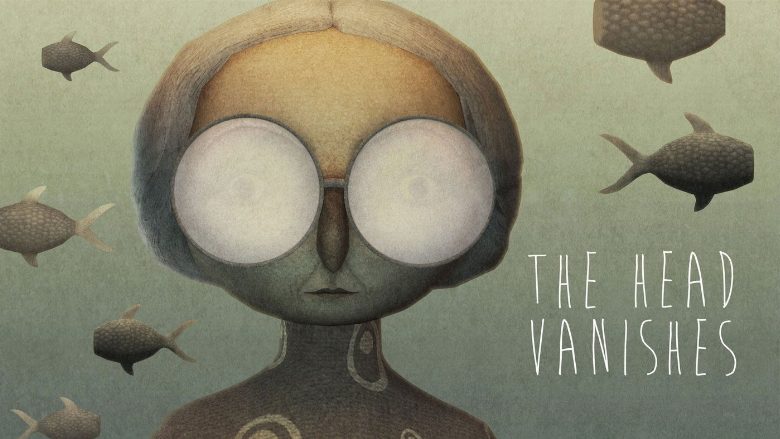
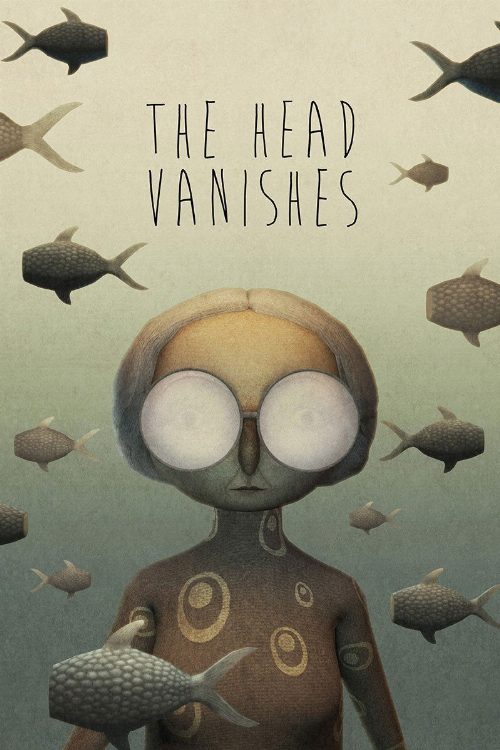
Jacqueline has lost her mind a bit, but whatever, for her trip to the seaside, she has decided to take the train by herself, like a big girl!
Animation serves as a profound medium for exploring the fragility of human cognition, and The Head Vanishes stands as a poignant testament to this artistic potential. This French short film drifts away from traditional narrative structures, opting instead for a surrealist journey that mirrors the fragmented reality of its elderly protagonist. While global cinema has recently seen a surge in high-octane thrillers and grand spectacle, this intimate character study offers a necessary pause, inviting viewers to experience the world through the eyes of an individual navigating the fading borders of memory. It captures the essence of independence and the bittersweet nature of aging with a visual language that feels both whimsical and deeply melancholic.
The film distinguishes itself by balancing the lightness of a seaside holiday with the underlying gravity of psychological decline. In the context of contemporary world cinema, where many animations prioritize kinetic energy and vibrant world-building, this work chooses a more grounded, internal focus. It feels spiritually aligned with the recent wave of mature, contemplative animation that treats the medium as a vehicle for complex emotional inquiry rather than just family-friendly entertainment. By centering on a woman who embarks on a solo rail journey despite her diminishing mental clarity, the director crafts a narrative that is as much about the dignity of the individual as it is about the inevitable confusion that accompanies the twilight years.
Audiences who appreciate the nuanced storytelling found in independent festival circuit films will find much to admire here. It is particularly well-suited for viewers who enjoy stories that prioritize atmosphere and psychological depth over conventional plot progression. The film does not demand a linear understanding of events, instead asking the spectator to embrace a sense of disorientation that mimics the protagonist's own experience. For fans of European animation who value hand-crafted aesthetics and thematic boldness, this piece represents a compelling look at the human condition. It serves as a reminder that even when our grip on our surroundings begins to slip, the fundamental human desire for autonomy and the pursuit of a simple, personal joy remain remarkably resilient. Through its clever use of visual metaphors and a gentle, observational tone, the film secures its place as a evocative piece of work that lingers in the mind long after the final frame dissolves.