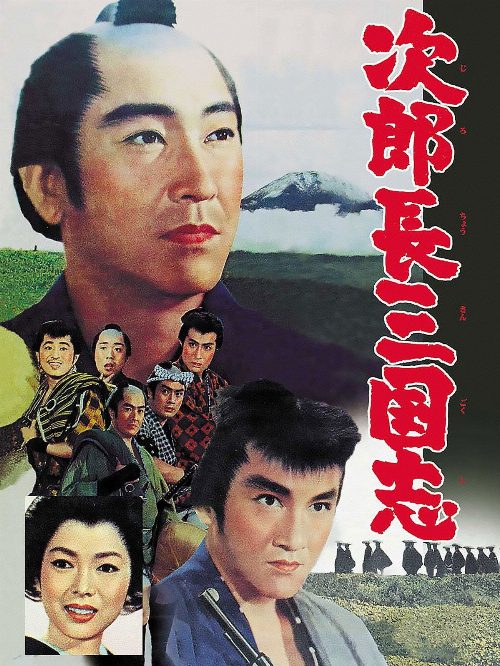
The Kingdom of Jirocho 1(1963)
About The Kingdom of Jirocho 1
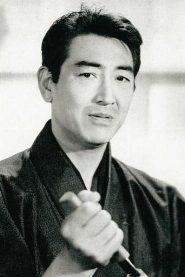
The tale of real-life Yakuza boss Shimizu Jirocho is told from his earliest beginnings as a gambler on the road as he forms his gang and sets out on the path to fame and fortune. One of the smartest and strongest of all the gang bosses, he went on to survive the end of the samurai era and become a successful businessman. But first, he must survive against all odds in order to build his reputation and develop his strength. Powerful portrayals of the group are led by the great Tsuruta Koji with help from the likes of Matsukata Hiroki.
Tracing the legendary rise of a historical underworld figure, The Kingdom of Jirocho 1 captures the volatile transformation of mid-nineteenth-century Japan through the eyes of a nascent gang leader. While Indian cinema audiences are well-acquainted with the trope of the underdog rising through the ranks to claim power, this film offers a fascinating cross-cultural parallel. Much like the gritty gangster epics that define the contemporary output of the Tamil and Telugu industries, this production prioritizes the formation of loyalty bonds and the strategic maneuvering required to survive in a lawless landscape. It strips away the romanticized veneer of the samurai era to reveal the desperate, gambling-fueled roots of a man who would eventually pivot from a life of itinerant crime to become a formidable commercial titan.
The narrative functions as a character study of resilience, focusing on the formative years of a protagonist who must navigate brutal rivalries and shifting societal loyalties. For viewers who appreciate the intricate world-building found in historical crime dramas, this film provides a grounded look at how personal ambition clashes with the dying gasps of the feudal system. The performances anchor the high-stakes tension, grounding the historical spectacle in the tangible desperation of its cast. By emphasizing the tactical intelligence required to ascend within the yakuza hierarchy, the film separates itself from standard action fare, favoring a methodical approach to empire-building that feels surprisingly modern in its execution.
Fans of international cinema who enjoy exploring the roots of the yakuza genre will find this installment an essential starting point. It serves as a bridge between traditional jidaigeki period dramas and the more visceral, modern criminal sagas that eventually dominated Japanese screens. Those who gravitate toward the layered storytelling of Indian cinema, where the protagonist is defined as much by his allies and adversaries as by his own strength, will recognize the archetypal beats of the rise-to-power narrative. Whether you are a dedicated follower of classic international film history or simply a fan of intense character-driven dramas, this work stands as a testament to the enduring appeal of the self-made outlaw. Its focus on the transition from chaos to order provides a compelling look at a figure who remains a cornerstone of cultural folklore, offering a balanced blend of historical significance and cinematic grit that continues to resonate with audiences interested in the evolution of the gangster archetype.