About The Kreutzer Sonata
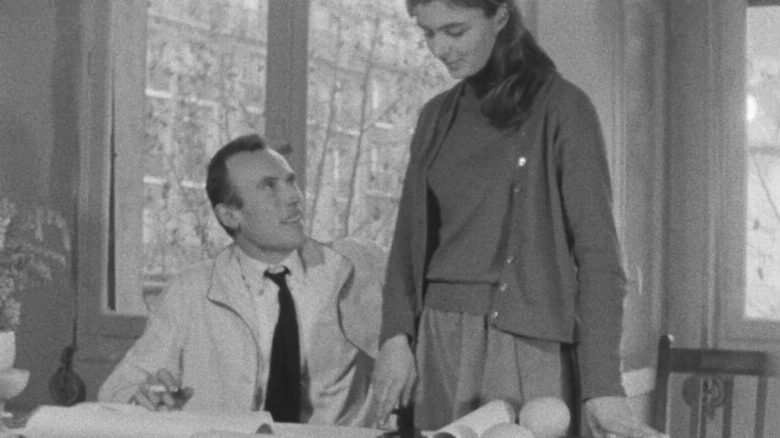
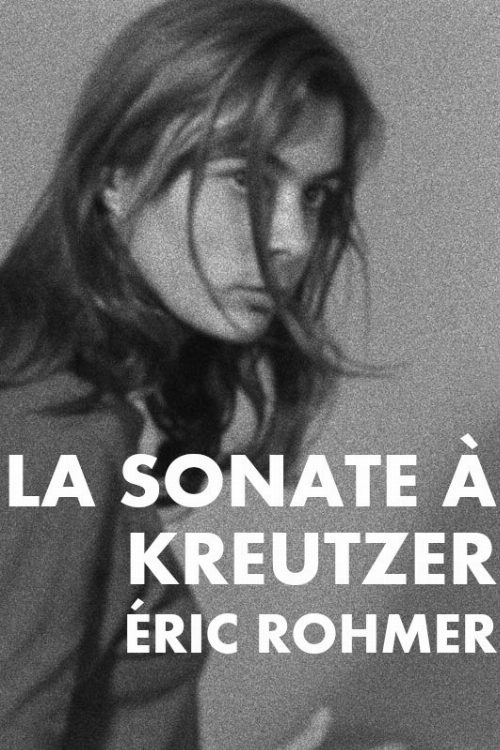
Some time after marrying a sensual girl, Pozdnychev realizes the only link to his spouse is that of physical love. When a violinist with whom his wife plays regularly the “Sonata to Kreutzer” appears, the young woman blooms in a new passion. From then on, her husband is eaten away by jealousy.
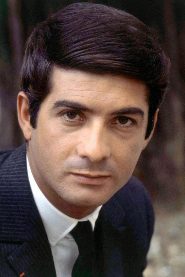
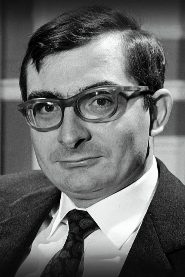
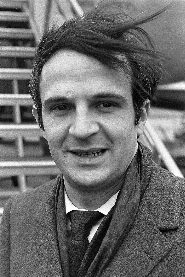
Before he became the architect of the French New Wave, Eric Rohmer crafted an early, striking exploration of domestic unraveling that feels remarkably distant from his later, dialogue-heavy masterpieces. This 1956 adaptation serves as a fascinating historical artifact, not just for its subject matter, but for its cast, which features legends like Francois Truffaut and Claude Chabrol long before they defined the cinematic landscape of their generation. By centering on the corrosive power of suspicion, the film captures the fragility of a marriage built on shifting foundations. It stands as a stark departure from the vibrant, talkative romances that would eventually define the director’s legacy, offering instead a cold, precise look at the destructive nature of possessiveness within a bourgeois household.
The narrative focuses on a husband who discovers that his connection to his wife is tethered almost entirely to the physical, leaving their union vulnerable when intellectual and artistic passions emerge elsewhere. When a violinist enters the frame, the wife finds a new outlet for her vitality, triggering an obsessive descent into madness for her spouse. This dynamic echoes themes often explored in contemporary Indian psychological dramas, where societal expectations of marriage frequently collide with the unpredictable impulses of the human heart. Just as modern Tamil or Malayalam cinema excels at dissecting the claustrophobia of domestic life, this film exposes the silent, creeping rot of envy that can poison even the most conventional relationships. It is a work of mounting tension, devoid of the sentimental grace notes often found in period dramas.
Viewers who appreciate the intellectual rigor of European arthouse staples or those interested in the formative years of the Nouvelle Vague will find this essential viewing. It is a film for those who prefer character-driven studies of human flaw over plot-heavy spectacle. Because the film relies heavily on the psychological state of its protagonist, it rewards an audience willing to engage with the uncomfortable reality of a mind collapsing under the weight of its own insecurities. For fans of cinema history, seeing the future giants of French film working together behind and in front of the camera provides a rare glimpse into the collaborative spirit that was about to change global storytelling forever. This remains a chilling, focused study of how easily intimacy can curdle into a dangerous obsession when the underlying trust is fundamentally absent.
Cast(7)