The Last Mistress(2007)
About The Last Mistress
Secrets, rumors and betrayals surround the upcoming marriage between a young dissolute man and virtuous woman of the French aristocracy.
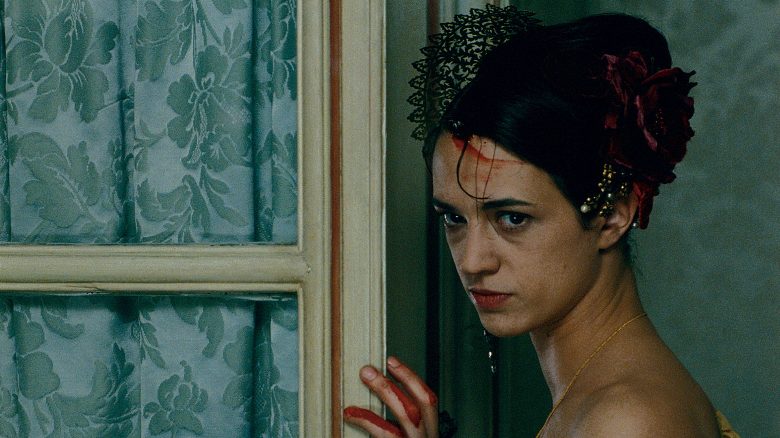
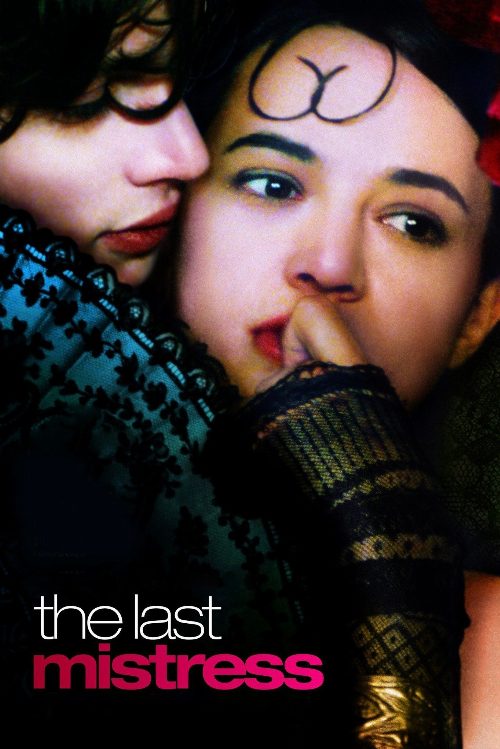
Catherine Breillat has long been a filmmaker fascinated by the volatile intersection of desire and social decorum, and The Last Mistress stands as one of her most visually opulent explorations of this theme. Set against the rigid backdrop of nineteenth-century French high society, the narrative centers on a nobleman whose reputation for debauchery threatens to derail his impending union with a pristine aristocratic bride. While the setup might sound like a traditional period piece, the film eschews the gentle nostalgia often found in costume dramas. Instead, it offers a raw, unfiltered look at the destructive power of obsession, positioning the lead character as a man trapped between the expectations of his class and the gravitational pull of a long-term, scandalous affair that refuses to fade into memory.
For enthusiasts of global cinema who appreciate the stylistic intensity often found in modern Indian arthouse or the darker side of European romantic dramas, this film provides a compelling study in psychological friction. The casting of Fuad Ait Aattou brings a necessary fragility to a character who is otherwise defined by his reckless indulgence, while Roxane Mesquida embodies the kind of fierce, unapologetic passion that often disrupts the carefully curated lives of the elite. The film fits into a broader cinematic conversation about how societal structures attempt to commodify love and marriage, a subject that resonates deeply with audiences familiar with the complex family dynamics and social pressures frequently depicted in regional Indian cinema. It is a work that demands patience and an appreciation for slow-burn tension rather than rapid-fire plot progression.
Viewers who enjoy character-driven explorations of moral ambiguity will find much to dissect here. Breillat directs with a focus on intimacy that feels intrusive yet essential, stripping away the polish of the era to reveal the visceral needs beneath the corsets and velvet. This is not a story about a simple choice between two women, but rather an examination of whether a person can ever truly leave their past behind when that past is etched into their very identity. As a piece of period storytelling, it remains distinct for its refusal to romanticize the era, choosing instead to highlight the suffocating nature of convention. It serves as a reminder that the most dangerous secrets are not the ones hidden from the public eye, but the ones we refuse to admit to ourselves, making it a sophisticated watch for those who prefer their romances served with a heavy dose of philosophical inquiry and visual elegance.
Cast(18)