About The Lavender Scare
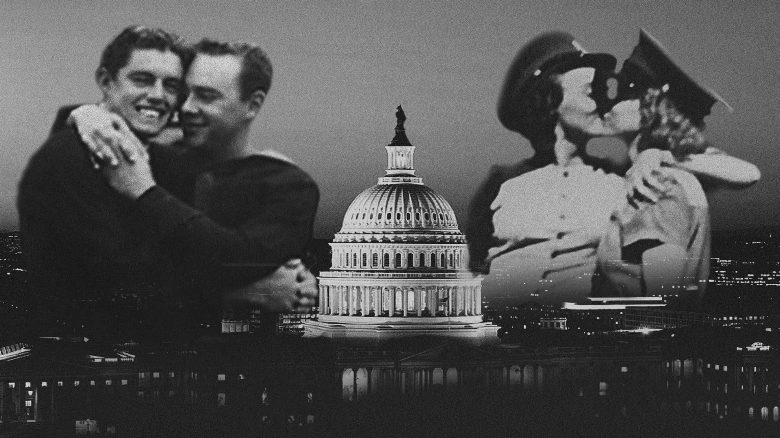
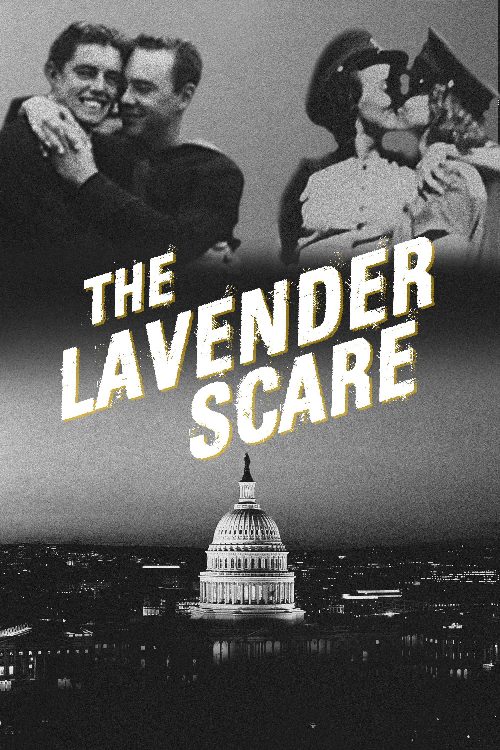
At the height of the Cold War, President Eisenhower deems homosexuals to be security risks. A vicious witch hunt ensues, ruining thousands of American lives.
Historical reckonings often reveal uncomfortable chapters that have been conveniently scrubbed from the national consciousness, and The Lavender Scare serves as a chilling reminder of how systemic prejudice can masquerade as national security. While the Indian film industry has recently made strides in representing queer narratives through mainstream platforms, this documentary offers a sobering counterpoint by examining the McCarthy era through a lens that is rarely prioritized in global historical cinema. Director Josh Howard masterfully reconstructs the systematic purge of gay and lesbian federal employees during the 1950s, a period where the government weaponized paranoia to dismantle the careers and reputations of thousands of individuals. By focusing on the administrative cruelty that defined this era, the film highlights a bureaucratic tragedy that echoes the universal struggle for human rights, making it an essential watch for audiences who appreciate the intersection of political history and civil advocacy.
The production distinguishes itself by relying on the poignant testimonies of those who lived through these purges, effectively moving beyond dry academic analysis to capture the visceral fear of being outed in a hostile workplace. The participation of narrators like Glenn Close and Cynthia Nixon lends a gravitas that bridges the gap between historical documentation and modern storytelling. For viewers who follow the evolution of social justice narratives in cinema, this documentary functions as a vital companion piece to films that explore the fragility of citizenship under authoritarian pressure. It serves as a necessary educational tool for anyone interested in how state-sanctioned homophobia reshaped the American landscape, providing a clear-eyed look at a legacy of trauma that continues to inform modern political discourse.
This film is positioned for those who prefer their historical documentaries to be both intellectually rigorous and emotionally resonant. It avoids the traps of sensationalism, choosing instead to let the cold, hard facts of federal policy speak for themselves. While it depicts a specifically American crisis, the underlying themes of institutional bias and the misuse of executive power resonate deeply with global audiences currently witnessing similar debates regarding identity and belonging. By documenting the rise of a grassroots resistance movement, the film ultimately shifts from a narrative of victimhood to one of resilience. It is a compelling choice for subscribers of platforms that champion high-quality nonfiction, particularly for those who seek to understand the origins of contemporary fights for equality. The work stands as a testament to the importance of recording these hidden histories before they are entirely lost to time.
Cast(13)