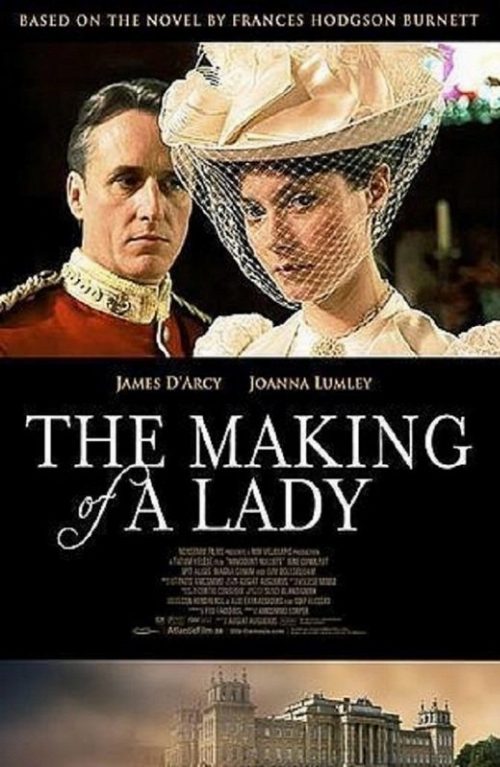
About The Making of a Lady
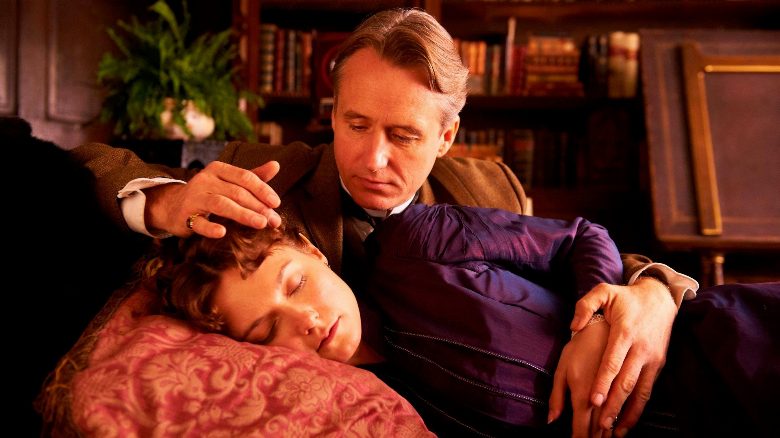
Poor but intelligent Emily Fox Seton accepts a marriage proposal from the older Lord James Walderhurst, a widower pushed into providing an heir by his haughty aunt Maria.
Stepping into the rigid social hierarchy of Edwardian England, The Making of a Lady offers a meticulous examination of class dynamics and the suffocating expectations placed upon women at the turn of the twentieth century. This television drama, helmed by director Richard Curson Smith, breathes life into a classic literary premise by focusing on the precarious position of Emily Fox Seton. Unlike many period pieces that lean heavily into romantic escapism, this production leans into the psychological tension inherent in a marriage of convenience. The narrative centers on a woman whose intellect and modest circumstances collide with the aristocratic desperation of a widower seeking a legacy. It serves as a compelling study of how power is negotiated within the drawing rooms of the elite, making it a perfect watch for those who appreciate the slow-burn intensity of British costume dramas.
While our primary focus at thebiographys.com typically resides within the vibrant landscapes of Telugu, Tamil, and Hindi cinema, there is a universal resonance in stories that explore the intersection of tradition and personal agency. Much like the intense family dramas often seen in Malayalam or Kannada storytelling, this film emphasizes the weight of duty and the impact of familial pressure on individual happiness. The ensemble cast, featuring Lydia Wilson, excels at portraying the subtle shifts in authority that occur when an outsider is thrust into a hostile domestic environment. The film avoids falling into the trap of mere melodrama, choosing instead to highlight the quiet, tactical maneuvers of its protagonist as she navigates a world that views her as little more than a means to an end.
Viewers who enjoy character-driven stories where the stakes are emotional rather than physical will find much to admire here. It is particularly suited for fans of literature-to-film adaptations who look for nuanced performances rather than flashy spectacle. By grounding the narrative in the harsh realities of Victorian-era social climbing, the film manages to feel both historically specific and culturally relevant. It is a testament to the enduring appeal of the underdog narrative, reminding the audience that survival in a gilded cage requires a sharp mind and an even sharper resolve. For those looking to unpack the complexities of historical social structures through a lens that values internal struggle over external action, this production stands as a sophisticated entry in the genre.