About The Movement of Things
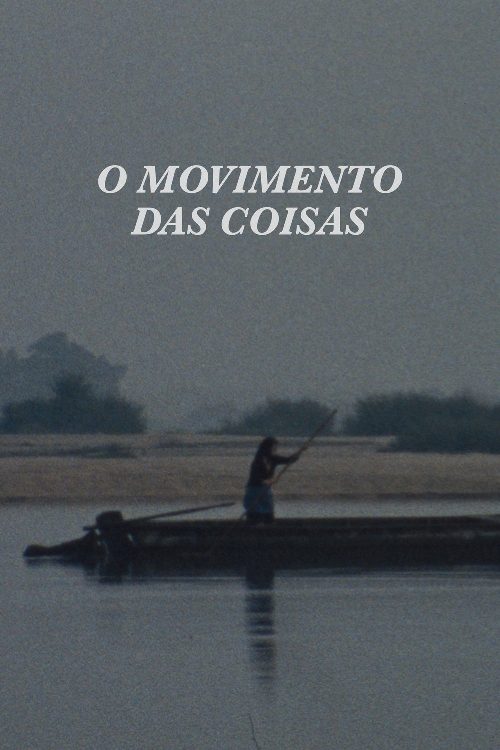
A picture of daily life punctuated by silence. In a village in the north, the daily routine of three families. Glimpses of Isabel, her eyes turned towards the future; for the others, living is the only meaning of life. The camera freezes moments of life through the movement of things in time, values and silence.
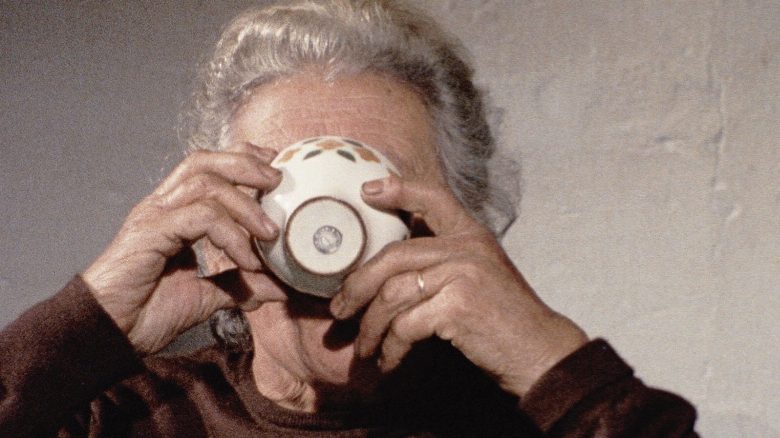
Manuela Serra crafted a meditative masterwork with her 1985 documentary The Movement of Things, a film that defies the frantic pace of modern cinema to offer an intimate study of rural existence in northern Portugal. Rather than relying on traditional interviews or expository narration, the director allows the rhythms of agricultural labor and domestic duty to dictate the narrative flow. By focusing on the lives of three distinct families, the work captures the quiet endurance of a community tethered to the land. It functions as a temporal capsule, preserving a way of life that balances ancient traditions against the creeping inevitability of change, making it a profound piece of observational filmmaking that resonates even decades after its original release.
While the film emerged from a European context, its dedication to capturing the raw, unadorned reality of village life aligns with the sensibilities of global neorealist traditions often championed by audiences who appreciate the grounded, human-centric storytelling found in the best of Indian regional cinema. Much like the works of masters who focus on the rural landscapes of Kerala or the agrarian heartlands of the Telugu states, The Movement of Things finds beauty in the mundane tasks of harvesting and household maintenance. It is a film for viewers who prefer atmosphere over high-octane plot mechanics, inviting the audience to sit with the silence and observe the subtle shifts in human expression. The focus on Isabel, whose gaze suggests an unspoken longing or curiosity about the world beyond her village, provides a poignant anchor for the viewer amid the broader depictions of communal labor.
The director’s approach is notably patient, treating the camera as a silent witness rather than an intrusive investigator. By stripping away the artifice of documentary filmmaking, Serra forces us to confront the dignity inherent in repetitive, everyday survival. The result is a sensory experience that emphasizes the tactile nature of rural life, from the texture of the soil to the stillness of the afternoon air. This is essential viewing for cinephiles who are interested in the evolution of ethnographic cinema and those who appreciate the aesthetic power of minimalism. It stands as a testament to the idea that a profound story does not require grand spectacle but rather a keen eye for the quiet, constant motion of the world around us. Fans of observational documentaries will find this a vital addition to their watchlist, offering a meditative window into a vanishing world that is as relevant today as it was in the mid-eighties.
Crew
Director
Electrician
Director of Photography
Original Music Composer
Editor
Sound Mixer
Assistant Camera
Similar Films