Veneza Americana(1925)
About Veneza Americana
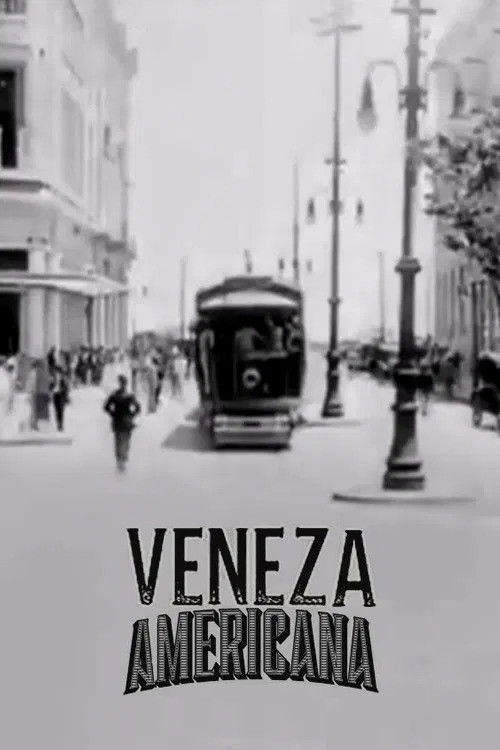
A silent documentary that depicts Recife’s urban development projects in the 1920s and the progress of Pernambuco, with particular emphasis on the construction of Recife’s new wharf.
Cinematic history often serves as a silent witness to the rapid transformation of the urban landscape, and Veneza Americana stands as a quintessential artifact of this archival impulse. Released in 1925, this Brazilian documentary captures a pivotal era when Recife was undergoing a massive metamorphosis to align with modern industrial ambitions. While contemporary audiences familiar with the high-octane spectacles of modern Indian cinema might find the pacing of silent-era nonfiction a stark departure, there is a profound resonance in observing the literal foundation of a city. The film functions as a time capsule, meticulously documenting the engineering feats and infrastructure shifts that redefined Pernambuco, most notably the ambitious expansion of the local harbor. It is a work that captures the pulse of a society eager to broadcast its entry into the twentieth century, mirroring the same spirit of modernization often seen in the nation-building narratives of early twentieth-century global filmmaking.
For viewers who appreciate the intersection of sociology and visual history, this documentary offers a rare glimpse into a pre-digital world where progress was measured in concrete and steel. Its focus on the construction of the new wharf serves as the narrative anchor, framing the labor and ingenuity required to turn a bustling coastal hub into a beacon of commerce. While it lacks the dramatic arcs found in the commercial hits of the Tollywood or Bollywood industries, its value lies in its authenticity. It is positioned as an essential viewing experience for film scholars and enthusiasts of Latin American history who seek to understand how the medium of film was used as a tool for political and cultural projection during the post-colonial boom.
The aesthetic clarity of the footage provides a surprising intimacy, allowing us to scrutinize the clothing, work practices, and urban aesthetics of 1920s Brazil with remarkable precision. By stripping away the dialogue and relying entirely on the visual language of the era, the director invites us to interpret the growth of a metropolis through a lens that is both objective and deeply atmospheric. Those who enjoy the meditative quality of historical documentaries will find that this film bridges the gap between a simple record of events and a stylistic testament to human ambition. It remains a significant milestone in Brazilian cinema, reminding us that every city carries a silent history written in the architecture of its past, waiting to be rediscovered by those willing to look past the contemporary glare of modern entertainment.
Similar Films