The Peach Blossom Fan(1963)
About The Peach Blossom Fan
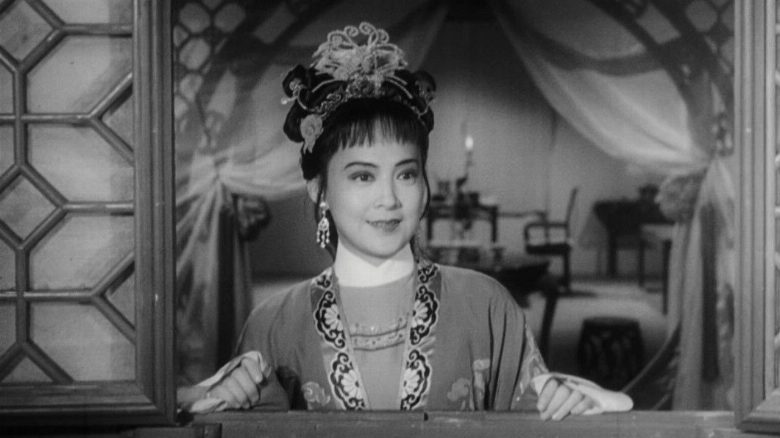
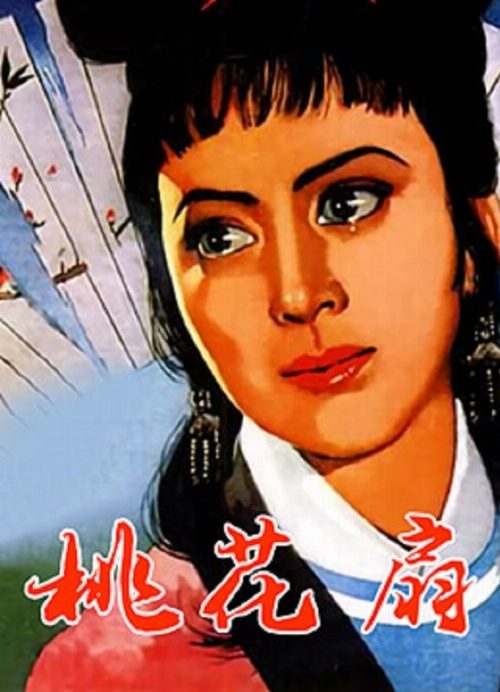
Based on the Qing dynasty musical play that recounts the death of the Ming dynasty through the love story of its two main characters, young scholar Hou Fangyu and a courtesan named Li Xiangjun.
Stepping into the world of The Peach Blossom Fan reveals a masterful intersection of historical tragedy and operatic elegance that remains a touchstone of mid-century Chinese cinema. By adapting a seminal seventeenth-century play, the film transcends a simple romantic narrative to serve as a poignant meditation on the collapse of an empire. The story tracks the intimate connection between a refined scholar and a resilient courtesan, using their personal stakes to mirror the wider fracturing of the Ming dynasty. This is not merely a costume drama but a sophisticated exploration of loyalty and political erosion, filmed with a visual reverence that honors its theatrical roots while embracing the fluidity of the cinematic medium.
For those tracking the evolution of East Asian period dramas, this production stands as a vital piece of the puzzle, echoing the grand, sweeping sensibilities found in the works of directors who prioritize cultural heritage alongside human emotion. While Indian audiences might find parallels in the tragic romances of historical epics that balance court politics with star-crossed affection, this film operates with a distinctively restrained and stylized grace. The performances by Qianying Li and Feng Zhe anchor the emotional weight of the project, grounding the larger historical upheaval in the specific, heartbreaking choices of individuals trapped by forces beyond their control. It is an essential viewing experience for cinephiles who appreciate the intersection of classical literature and visual storytelling.
The film is positioned as a sophisticated look at how personal integrity struggles to survive in an era of national instability. Viewers who enjoy historical narratives that refuse to simplify the motivations of their characters will find much to admire here, as the film carefully avoids turning its leads into one-dimensional figures. By focusing on the symbolic power of the fan, the director captures a sense of melancholic beauty that lingers long after the final frame. Its enduring relevance lies in the way it treats the fall of a dynasty not just as a series of battlefield defeats, but as a deeply felt loss of cultural dignity and personal hope. Whether you are a student of global film history or simply a fan of grand, tragic romances, this 1963 classic offers a compelling glimpse into a lost world, rendered with a level of craft that continues to command respect from scholars and audiences alike.