The Testament of Ann Lee(2025)
About The Testament of Ann Lee
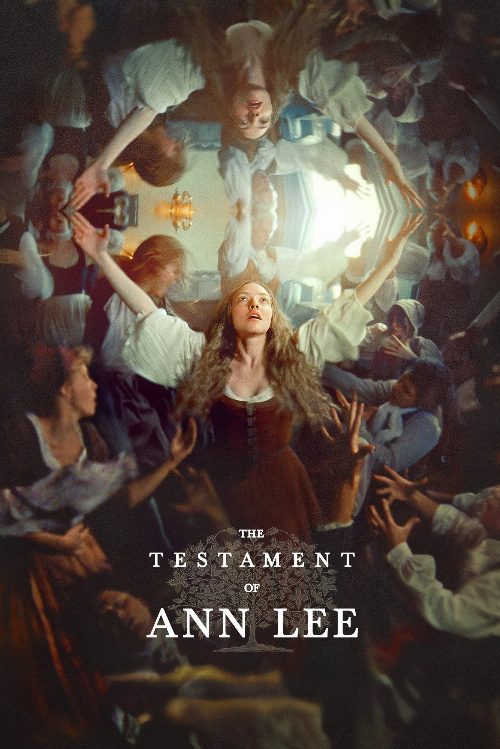
The extraordinary true legend of Ann Lee, founder of the devotional sect known as the Shakers.
The cinematic landscape often overlooks the quiet radicals who reshaped spiritual history, but The Testament of Ann Lee steps into this void with a focus on one of the most intriguing figures of the eighteenth century. This 2025 drama moves away from the typical bombast of historical epics to explore the internal life of the woman who established the Shakers. By anchoring the narrative in the intersection of faith, music, and social nonconformity, the film positions itself as a character study that feels surprisingly relevant to modern conversations about autonomy and communal living. It is a rare English-language entry that prioritizes the visceral experience of devotion over dry biography, making it a compelling watch for those who appreciate arthouse dramas that lean heavily into period atmosphere and psychological depth.
Within the current global cinema circuit, where audiences are increasingly drawn to stories about marginalized outsiders challenging the status quo, this film finds a natural home. While Indian audiences are accustomed to high-stakes dramas that blend folklore with historical figures, this production offers a different flavor of intensity. It strips away the spectacle to focus on the power of belief and the endurance of the human spirit under pressure. The directorial approach appears to favor a slow-burn narrative structure, allowing the audience to sit with the weight of the choices made by its protagonist. This makes the project an ideal choice for viewers who enjoy films that challenge their perspective on historical orthodoxy while maintaining a grounded, humanistic perspective.
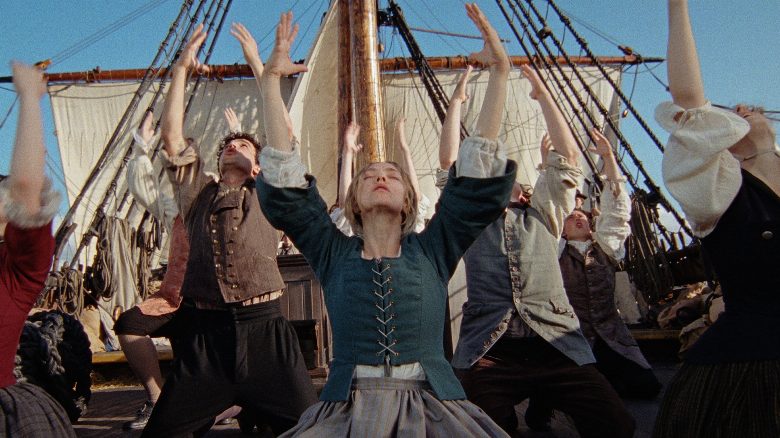
The strength of the film lies in how it navigates the tension between the protagonist’s intense personal revelations and the rigid societal structures of her era. Rather than merely recounting a sequence of life events, the production utilizes music as a central narrative device, mirroring the rhythmic, trance-like practices that became a hallmark of the movement. This sonic layer adds a unique texture, elevating the movie above standard period pieces. For fans of introspective cinema who are looking for a departure from current blockbuster trends, this film serves as a thoughtful meditation on legacy and the high cost of conviction. It is positioned to resonate with anyone interested in the intersection of personal liberation and institutional history, marking a significant entry for those who value stories about the transformative power of a single, unwavering voice.
Cast(51)