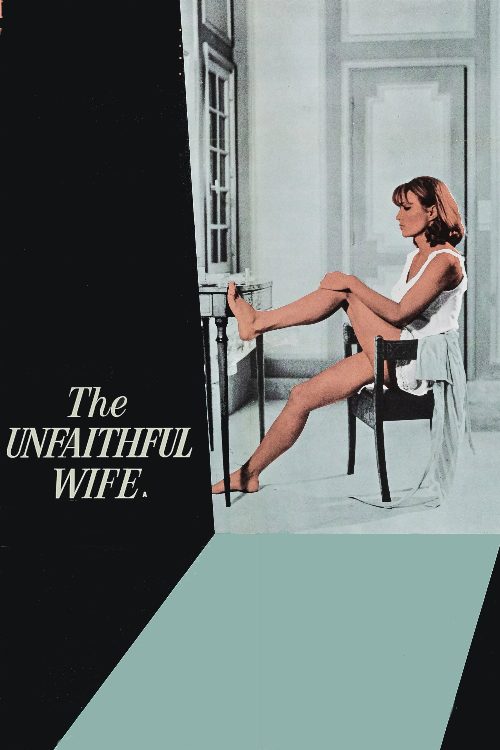
The Unfaithful Wife(1969)
About The Unfaithful Wife
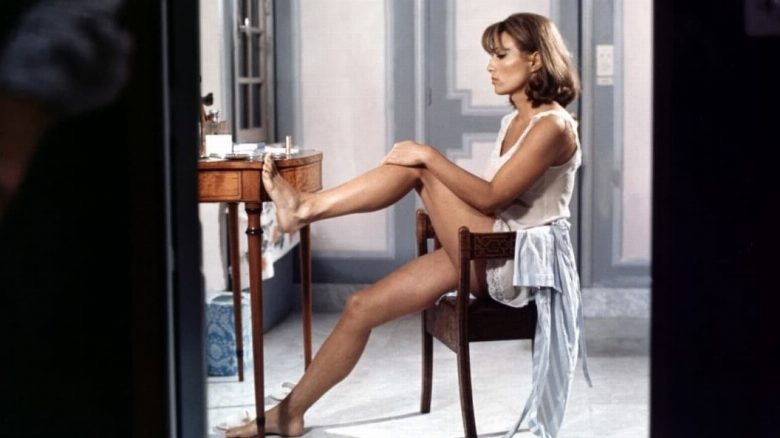
Insurance executive Charles suspects his wife Hélène of playing the field, so he has a private detective locate his wife's lover, author Victor Pegala.
Claude Chabrol was a master of exposing the rot beneath the pristine surface of the French bourgeoisie, and 1969s The Unfaithful Wife remains one of the most chilling examples of his surgical precision. The narrative centers on a seemingly tranquil suburban household, where the rigid routines of an insurance executive are upended by a gnawing suspicion that his spouse is seeking intimacy elsewhere. Rather than erupting into immediate melodrama, the film treats this discovery as a cold, analytical project. It is a fascinating study of human obsession that mirrors the psychological depth found in contemporary Indian domestic dramas, where the quiet erosion of trust is often more devastating than any explosive confrontation. By stripping away the typical frantic pacing of mid-century thrillers, Chabrol leans into a mood of suffocating domesticity that feels remarkably modern.
The film functions as a stark character study, anchored by a performance from Michel Bouquet that is as restrained as it is unnerving. He portrays a man whose internal collapse is hidden behind a veneer of professional competence and social decorum. For viewers who appreciate the slow-burn tension found in works by directors like Mani Ratnam or the intricate moral puzzles of Malayalam cinema, this film offers a similar intellectual satisfaction. It does not rely on cheap twists but instead forces the audience to confront the unsettling reality of how well we truly know the people we live with. It is an ideal pick for cinephiles who value atmosphere and subtext over overt action, positioning the domestic sphere as the ultimate arena for high-stakes conflict.
This production serves as a quintessential entry point for those interested in the French New Wave movement, capturing a specific moment in European cinema where the focus shifted from external spectacle to the interior lives of the affluent. It stands out for its lack of judgment, refusing to simplify the motives of its central trio. While modern audiences raised on fast-paced crime sagas might be surprised by the deliberate, methodical tempo, there is a rewarding complexity here that demands patience. It is a haunting exploration of possession and the fragile social contracts that bind couples together. By examining the destructive nature of jealousy through such a clinical lens, the film remains a timeless cautionary tale about the dangerous intersections of love, pride, and the inevitable breakdown of silence.
Cast(13)