About The Water Petition
After the story of same name of S. Rahimov
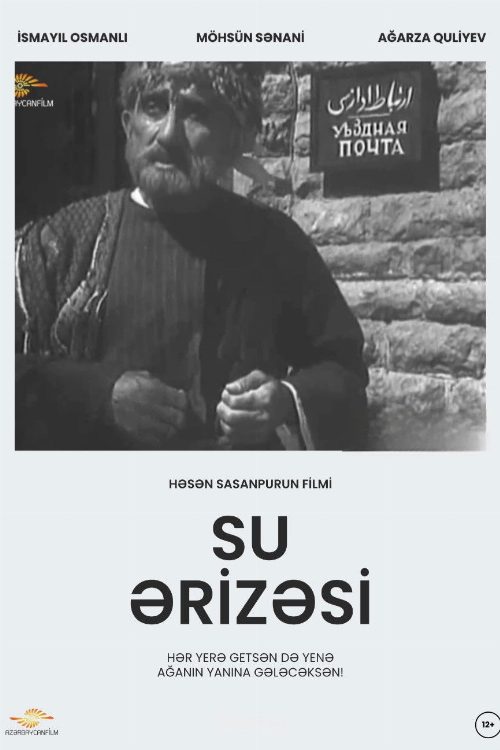
The vintage allure of The Water Petition offers a fascinating window into the mid-sixties cinematic landscape of Azerbaijan, a period when regional storytelling began to lean heavily into the intersection of rural social dynamics and moral bureaucracy. Directed by T. Sasanpur, the film serves as a poignant adaptation of the literary work by S. Rahimov, capturing a specific moment in time where the scarcity of natural resources became a catalyst for human conflict. Unlike the sweeping historical epics or grand romances that dominated global screens during that era, this drama maintains a grounded, almost claustrophobic focus on the communal friction generated when access to life sustaining elements is gatekept by those in power. It is a masterclass in tension, proving that a narrative centered on the simple struggle for water can carry the weight of a high stakes political thriller.
The performances by Ismail Osmanli and Mohsun Sanani are the bedrock of this production, bringing a grounded gravitas to the screen that feels remarkably authentic to the regional context of the time. Their dynamic reflects the classic struggle between tradition, authority, and the desperate requirements of the common citizen, a theme that resonates deeply with audiences familiar with the socio-political narratives often explored in Indian parallel cinema or the realism found in works from filmmakers like Satyajit Ray. By stripping away artificial spectacle, the film forces the viewer to confront the stark realities of communal leadership and the ethical dilemmas inherent in resource management. It remains a essential watch for cinephiles who appreciate the evolution of world drama and the way directors from this period utilized local folklore to critique broader societal structures.
For the modern viewer, this film is an invitation to engage with a classic that prioritizes emotional resonance over visual artifice. It functions as a historical document that illuminates the universal nature of the struggle for justice in small, interconnected societies. While the aesthetic is firmly rooted in the 1964 aesthetic, the core conflict remains timelessly relevant, making it a compelling choice for those interested in how different cultures depict the clash between the individual and the collective. T. Sasanpur demonstrates a keen eye for character development, ensuring that the stakes feel personal even when the implications are systemic. This production is positioned as a must see for anyone looking to broaden their perspective on the rich, often overlooked heritage of Azerbaijani drama and its capacity to mirror the struggles found in diverse filmmaking traditions across the globe.