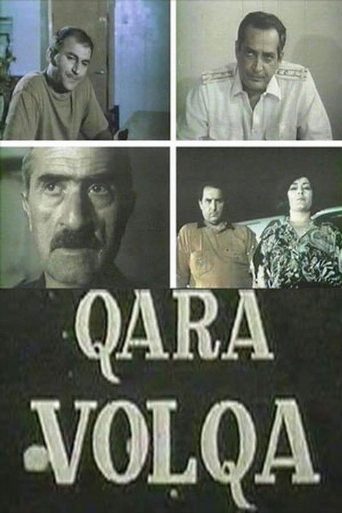
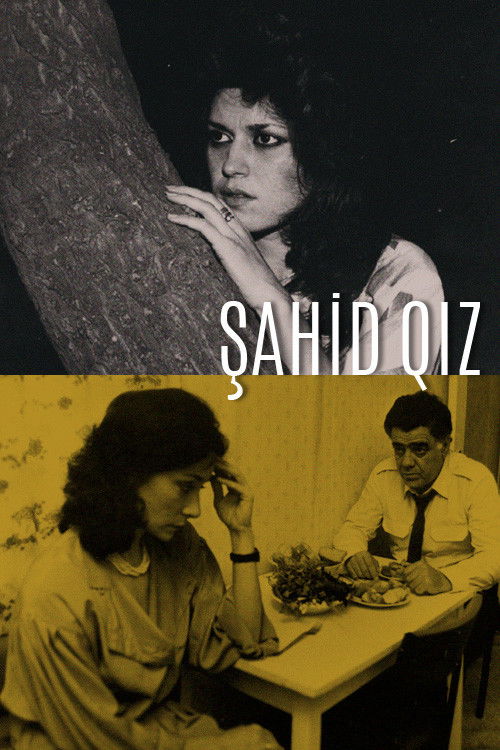
About The Witness
The film tells a story about non-democratic and non-legal social events in the country of Azerbaijan.
Rarely does a piece of cinema capture the suffocating weight of systemic inertia with such stark, haunting clarity as the 1990 Azerbaijani drama The Witness. While global audiences often turn to the expansive emotional landscapes of Indian cinema for tales of societal struggle, this film offers a chillingly precise look at a nation caught in the transition between rigid institutional control and the fraying edges of justice. By placing a spotlight on the arbitrary nature of legal processes within a non-democratic framework, the narrative transcends its specific regional setting to become a universal study of how individuals are crushed when the state apparatus chooses convenience over truth. It serves as a stark reminder of the era when the mechanisms of power were shielded from scrutiny, presenting a world where evidence is malleable and the innocent are often the most vulnerable variables in a broken equation.
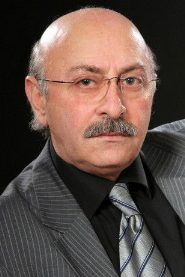
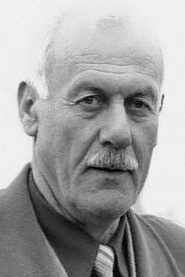
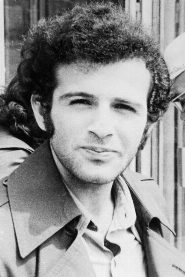
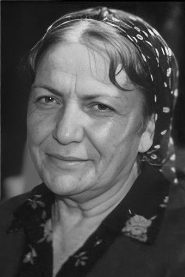
The film is anchored by the commanding screen presence of Hasan Mammadov, whose performance captures the quiet desperation of a man navigating a labyrinthine moral crisis. His portrayal is complemented by a cast that brings a raw, lived-in texture to the screen, grounding the high-stakes political themes in the tangible reality of daily existence. For viewers who appreciate the gritty, socially conscious narratives found in modern Malayalam or Tamil independent cinema, this work feels like a vital ancestor. It avoids the polished artifice of commercial blockbusters, opting instead for a slow-burning tension that forces the audience to confront the ethical decay of the environment being depicted. It is an essential watch for those who seek out international classics that challenge the status quo, rewarding viewers who value atmospheric storytelling and strong character-driven conflicts over traditional plot beats.
Directorially, the film manages to balance its heavy thematic burdens with an unflinching gaze that refuses to look away from the corruption it documents. By stripping away the performative elements of typical crime dramas, the production team highlights the stark contrast between the public facade of order and the subterranean reality of unchecked authority. This is a film for the cinephile who enjoys political thrillers that lean heavily into psychological realism rather than action-oriented spectacle. Even decades later, it remains a powerful testament to the risks taken by filmmakers to document the realities of their time. For anyone looking to expand their understanding of post-Soviet era storytelling, this remains a cornerstone of the Azerbaijani filmography, perfectly positioned for a rediscovery by contemporary audiences who recognize the timeless relevance of its struggle against an indifferent system.
Cast(17)