About The Way We Keep Dancing
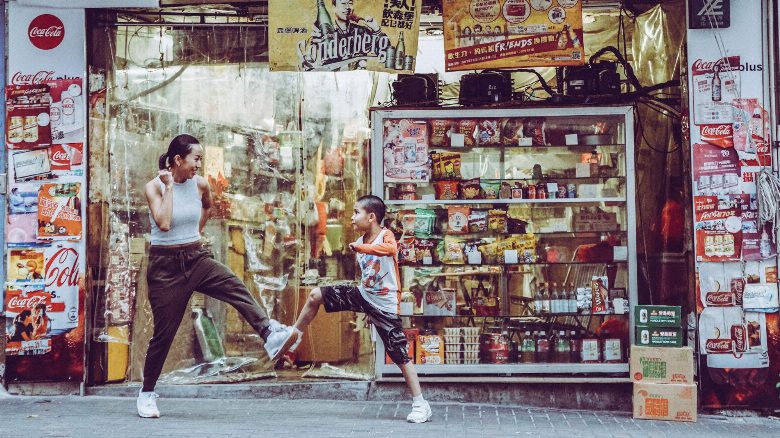
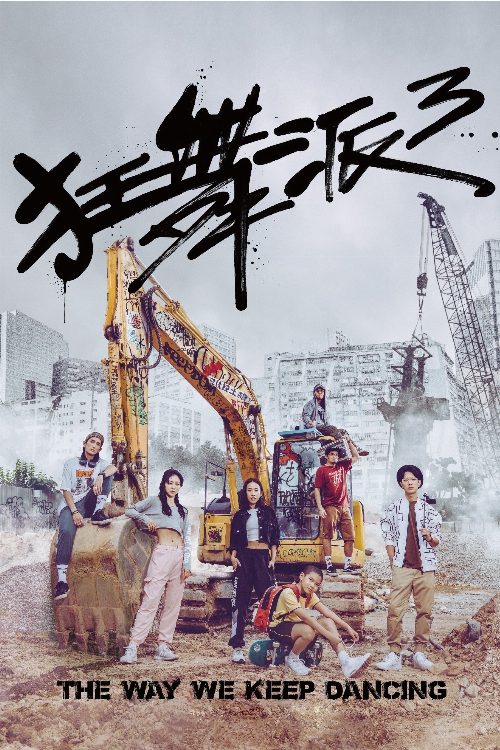
The Kowloon Industrial District is home to many of Hong Kong’s artists, including rapper Heyo, YouTuber Alan, rising star Hana, and dancer. However, the government is preparing the area for gentrification. The group from ‘The Way We Dance’ were invited to participate in a publicity stunt to transform the district into a ‘Dance Street’. Alan points out that this is an opportunity to garner support from the public. Meanwhile, Heyo’s master Afuc is planning a revolution.
Hong Kong cinema has long possessed a unique ability to capture the restless energy of its urban landscape, and The Way We Keep Dancing serves as a poignant, rhythmic exploration of that very spirit. Rather than merely serving as a sequel to its predecessor, this film functions as a sharp, modern commentary on the tension between artistic authenticity and the relentless march of corporate development. By centering its narrative on the Kowloon Industrial District, the movie taps into the lived reality of creators who find themselves caught in the crosshairs of gentrification. It is a story about the intersection of street culture and commercial opportunism, challenging its characters to decide whether their creative expression can survive when it is co-opted by the very forces that threaten to displace their community.
For audiences accustomed to the high-stakes emotional dramas found in Tamil or Telugu cinema, this Hong Kong production offers a compelling thematic parallel. Much like the regional Indian films that celebrate the underdog fighting against systemic encroachment, this story highlights the friction between grassroots movements and top-down urban planning. The film thrives on the charisma of its ensemble cast, who bring an authentic, gritty texture to their roles as dancers and musicians. Viewers who enjoy character-driven dramas that prioritize atmosphere and social relevance over spectacle will find themselves deeply engaged by the shifting loyalties and creative dilemmas presented here. It is particularly striking how the director navigates the delicate balance between showcasing the vibrant, kinetic nature of dance and the sobering, cold reality of economic transformation.
Ultimately, this project stands out as a meaningful look at what happens when a subculture is forced to negotiate its own identity in a rapidly evolving city. Those who appreciate films that blend aesthetic flair with biting social critique will likely find this an essential watch. It does not shy away from the complexities of modern fame or the ethical quandaries of publicity stunts, positioning itself as a sophisticated piece of contemporary drama. For fans of international cinema looking for a narrative that feels both deeply local to Hong Kong and universally resonant, the film offers a refreshing, grounded perspective on the struggle to keep one’s art alive amidst the changing skyline. It is a testament to the resilience of those who choose to express themselves through movement and sound, even when the world around them is being systematically rewritten.
Cast(27)