About The Wonders of Aladdin
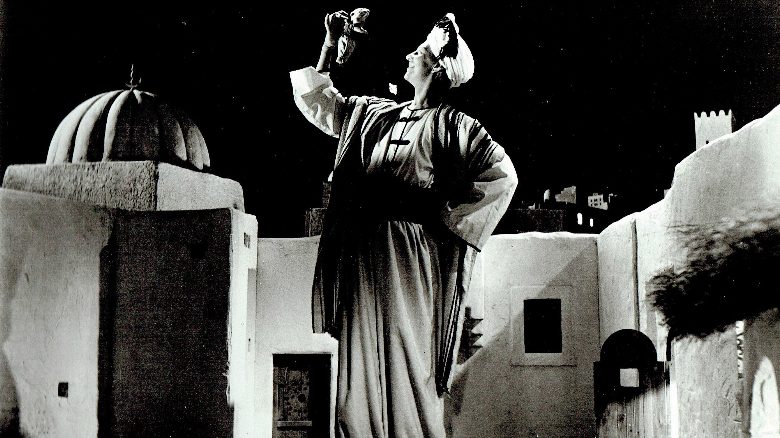
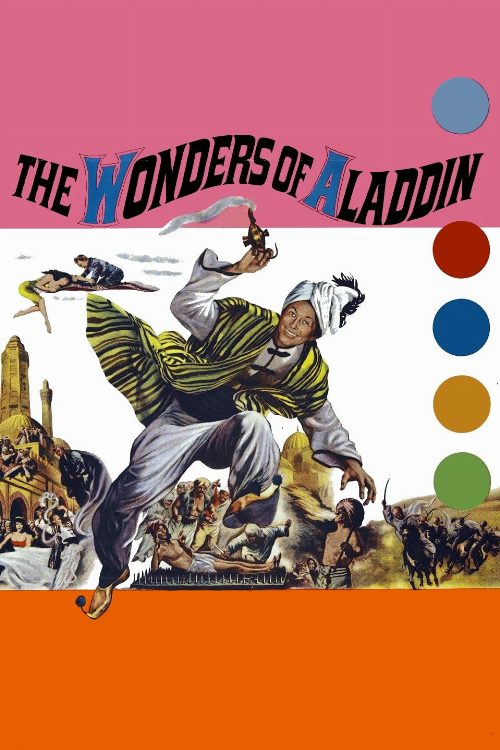
Young Aladdin has a series of wild adventures after he discovers a magic lamp containing a genie.
Stepping away from the hyper-kinetic visual effects defining modern mythological storytelling, The Wonders of Aladdin serves as a fascinating time capsule of European genre cinema during the early sixties. While contemporary audiences might be more accustomed to the high-gloss aesthetic of current pan-Indian spectacles or the intricate world-building found in recent Telugu fantasy epics, this Italian production offers a distinct charm rooted in the practical artifice and sweeping set pieces of its era. By grounding its legendary premise in a vibrant, tactile environment, the film captures a sense of wonder that relies heavily on the theatrical charisma of its ensemble rather than digital wizardry. It stands as a curious artifact of a time when global cinema was obsessed with reimagining Middle Eastern folklore through a lens of grand adventure and stylized choreography.
The narrative follows a spirited protagonist whose life undergoes a radical transformation upon his accidental acquisition of a supernatural object. This setup creates a classic framework for escapist entertainment, mirroring the traditional hero journeys that continue to resonate within the Indian film industry today, where the struggle of the underdog against cosmic forces remains a crowd-pleasing archetype. Donald O Connor anchors the production with a performance defined by agility and lighthearted energy, providing a sharp contrast to the more stoic, power-driven leads often found in modern action-fantasy dramas. His interactions with a cast that includes a young Terence Hill offer a glimpse into the early trajectories of performers who would eventually become icons in their own right, adding a layer of historical intrigue for dedicated film buffs.
Viewers who enjoy the whimsical, larger-than-life tone of classic adventure yarns will find much to admire in this stylized excursion. It is positioned as an ideal pick for those interested in the evolution of fantasy as a cinematic language, particularly for fans of Indian cinema who appreciate how regional industries have long adapted ancient myths into mainstream spectacle. By eschewing the grim intensity of modern blockbusters, the film maintains a breezy, fable-like quality that prioritizes imagination over realism. For anyone seeking to understand the historical roots of the genie-centric fantasy genre before it became a staple of big-budget Hollywood animation, this project remains an essential, albeit nostalgic, reference point. It captures a bygone approach to world-building that prioritizes the charm of the performer and the ambition of the production designer over the constraints of technical perfection.
Cast(19)











Crew
Makeup Artist
Director
Producer
Original Music Composer
Director of Photography
Costume Design
Sound
Assistant Director
Similar Films