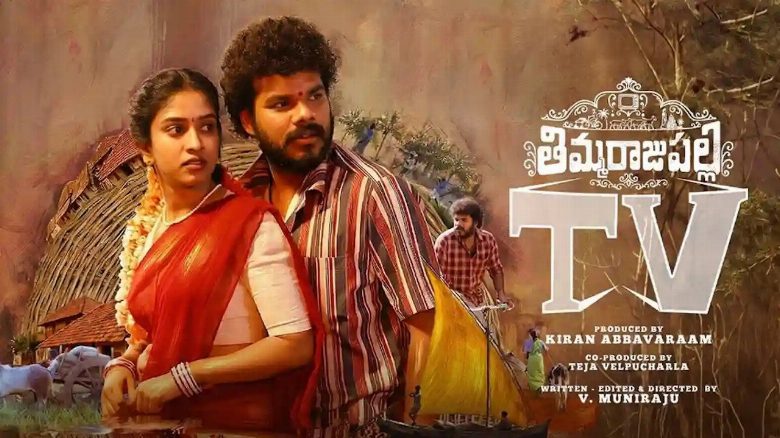
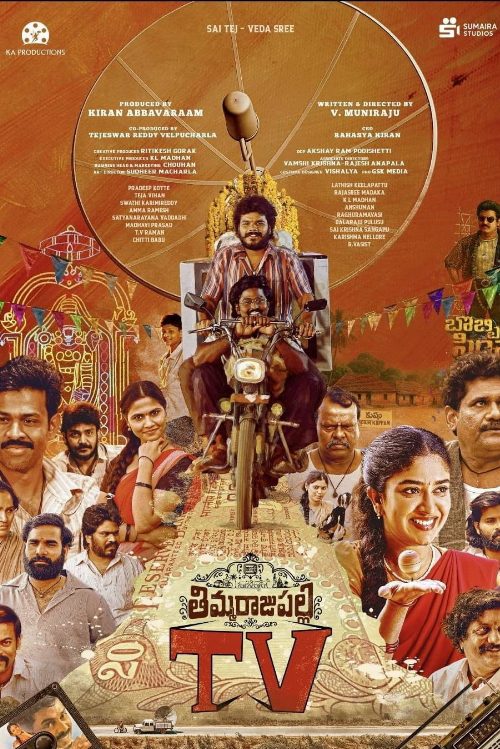
About Thimmarajupalli TV
Hope you will rewind all your memories back, from Wi-Fi to Antenna days
Nostalgia often functions as a potent emotional anchor in contemporary Telugu cinema, yet Thimmarajupalli TV attempts to ground this sentiment in the tangible, tactile reality of a changing rural landscape. Directed by V Muniraju, the film serves as a bridge between the analog past and our hyper-connected digital present, focusing on the communal experience of media consumption before the era of individualized streaming. By centering the narrative on the transition from the iconic rooftop antenna to the seamless high-speed connectivity we enjoy today, the production invites audiences to reflect on how shared spaces have evolved. It is a bold move to ground a family drama in the evolution of technology, suggesting that while our devices have changed, the fundamental dynamics of the Indian household remain remarkably consistent.
The film distinguishes itself by prioritizing local authenticity over the high-octane spectacle that frequently dominates the current Tollywood release calendar. With a cast featuring Pradeep Kottayam, Sai Tej, and Vedha Jalandharr, the performances appear designed to evoke a sense of lived-in familiarity rather than performative grandiosity. This shift toward grounded, character-driven storytelling aligns with the recent success of smaller-scale, culturally specific narratives coming out of the Telugu industry. V Muniraju seems to understand that the most compelling conflicts often arise not from grand external threats, but from the quiet shifts in domestic life. For viewers who grew up navigating the nuances of signal strength and neighborhood television culture, the film acts as a mirror to a bygone era that still resonates deeply with modern sensibilities.
Thimmarajupalli TV is positioned as a sentimental journey tailored for families who appreciate cinema that balances humor with heartfelt introspection. It is an ideal watch for those who find the frenetic pacing of modern blockbusters overwhelming and are instead craving a slower, more deliberate exploration of human connections. By documenting the cultural shift from a single, collective screen to the fragmented viewing habits of today, the film subtly critiques our current isolation while celebrating the memories that once brought villages together. As the industry continues to experiment with diverse genres, this project stands out as a sincere tribute to the simplicity of past decades. Whether you are a fan of traditional rural dramas or a cinephile interested in how regional cinema is documenting the rapid modernization of Indian society, this film offers a reflective experience that lingers long after the credits roll.