About This Is NOT My Cow
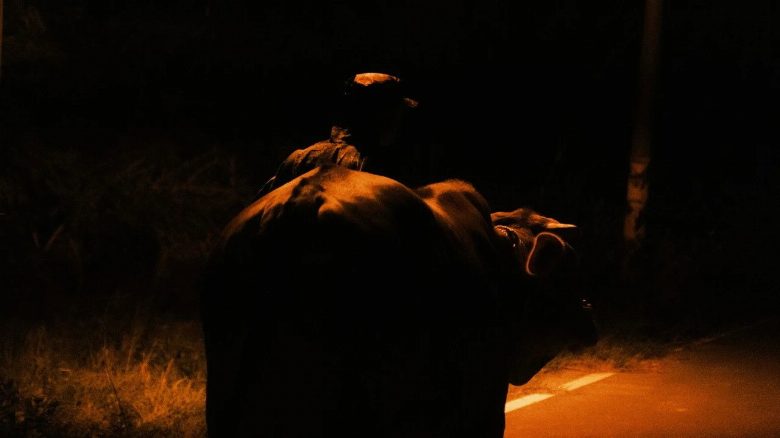
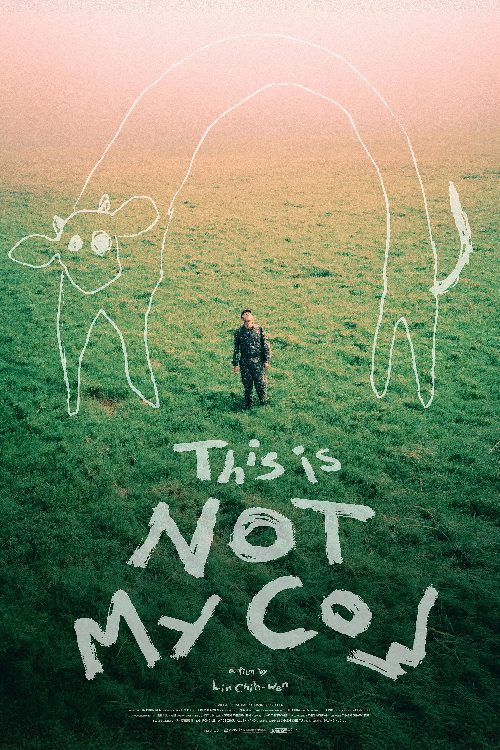
In a village often disturbed by military drills, the army sends soon-to-retire soldiers to take care of cows and sheep, hoping to build good relations with the locals. But this kind act cannot hide the long-term impact the drills have had on people’s lives.
The quiet tension between rural civilian life and the encroaching machinery of state power finds a poignant, grounded voice in the 2025 drama This Is Not My Cow. Directed by Chih-wen Lin, the film steps away from the bombastic spectacle often associated with regional military narratives, choosing instead to focus on the absurd and delicate interplay between aging soldiers tasked with herd management and the wary villagers caught in the crossfire of perpetual training exercises. By centering the story on the unlikely responsibility of livestock care, the director highlights how institutional attempts at soft diplomacy frequently fail to address the deeper, structural scars left by years of tactical disruptions in a small community.
For those accustomed to the evolving landscape of Asian independent cinema, this project feels like a natural successor to films that examine the quiet erosion of traditional landscapes under the weight of national security mandates. While industries like those in India often lean into high-octane action to frame military presence, this production takes a meditative, almost melancholic route, reminding audiences of the personal costs hidden behind bureaucratic gestures of goodwill. The performances by Lin Tse-kai and Huang Di-Yang bring a necessary weary humanity to the screen, portraying men who are physically present but emotionally detached from the pastoral environment they are forced to oversee.
This film is a compelling recommendation for viewers who appreciate character-driven storytelling that uses a singular, distinct metaphor to explore broader socioeconomic anxieties. It does not seek to provide easy answers about the relationship between the state and the civilian sector, but rather invites the audience to observe the friction of daily life where peace is merely a temporary pause between drills. As a piece of contemporary world cinema, it stands out for its restraint, proving that the most profound impacts of military occupation are often found in the small, unspoken inconveniences of a farmer’s routine rather than the loud displays of defense infrastructure. Fans of observational dramas who value nuanced social commentary will likely find this look at rural displacement and forced integration both intellectually stimulating and deeply evocative.