
About Three Came Home
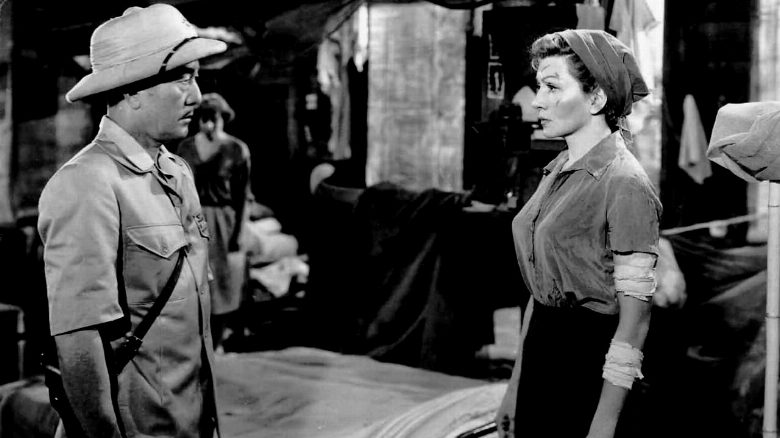
Borneo, 1941, during World War II. When the Japanese occupy the island, American writer Agnes Newton Keith is separated from her husband and imprisoned with her son in a prison camp run by the enigmatic Colonel Suga.
The stark reality of survival behind barbed wire finds a hauntingly intimate lens in Three Came Home, a production that captures the harrowing human cost of the Pacific theater during the Second World War. Rather than focusing on the grand strategies of naval warfare or the politics of global conflict, the film centers on the domestic sphere shattered by invasion. By anchoring the narrative in the experiences of Agnes Newton Keith, the story offers a perspective that feels remarkably modern for its era, emphasizing the psychological endurance of civilians caught in the crossfire of colonial collapse and military occupation. It is a work that prioritizes the friction between captive and captor, stripping away the typical heroics of the genre to reveal the quiet, desperate negotiations required to stay alive.
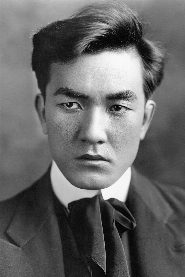
For followers of cinema history, the presence of Sessue Hayakawa provides a profound layer of complexity that elevates the film above standard period dramas. His portrayal of the camp commandant is not merely that of a villain, but of a man navigating his own conflicting loyalties and personal tragedies. This dynamic resonates with contemporary audiences who appreciate the nuanced villainy seen in modern prestige dramas, where the line between oppressor and individual is constantly blurred. The film serves as a compelling study for viewers who enjoy historical dramas that delve into the internal life of protagonists, much like the intense character-driven narratives found in today's best independent world cinema. Its focus on resilience amidst systemic cruelty echoes themes often explored in powerful Indian dramas that examine the impact of displacement and institutional upheaval on the family unit.
Jean Negulesco brings a disciplined, observational eye to the screen, ensuring the setting of Borneo feels oppressive yet grounded in the reality of the characters' suffering. While the film is a product of 1950s Hollywood sensibilities, it possesses a grit that remains gripping decades later. It is essential viewing for anyone interested in how mid-century filmmakers tackled the trauma of wartime imprisonment without relying solely on action sequences. By prioritizing the emotional landscape over battlefield maneuvers, Three Came Home remains a significant entry in the canon of war cinema, offering a sobering look at how the machinery of conflict tears through the lives of those who never asked to be part of the fight. It stands as a testament to the idea that the most enduring battles are often the ones fought in silence to preserve one's dignity and family bond.
Cast(13)