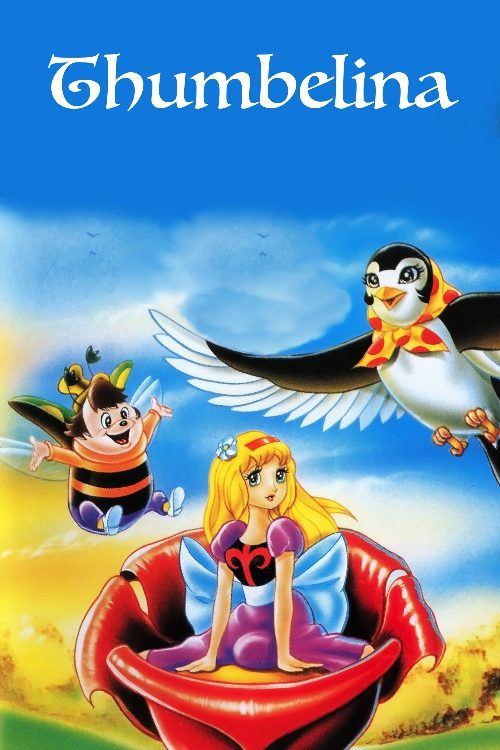
About Thumbelina
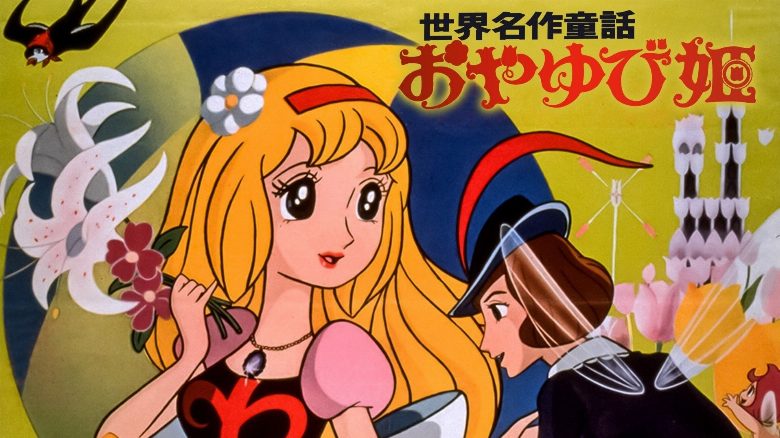
A tiny girl, only as long as a man's thumb, is born to a childless woman, abducted by frogs who want her to marry their son, but escaping instead (with the help of a bumblebee) to find a real prince without having to kiss the frog first.
Yugo Serikawa takes a classic European fairy tale and gives it a distinctively lyrical treatment that stands apart from the more commercialized adaptations modern audiences might expect. Released in 1978, this animated feature captures a delicate, hand-drawn aesthetic that defined the golden era of Japanese family cinema. Rather than relying on the frantic pacing of contemporary cartoons, the film opts for a measured, atmospheric approach, focusing on the protagonist's profound sense of alienation as someone literally smaller than the world around her. By framing her journey as a quest for self-actualization rather than just a survival story, the director elevates the source material into a poignant exploration of identity.
The narrative centers on a protagonist who navigates a landscape where every blade of grass is a skyscraper and every creature is a potential threat. Her struggle against forced domesticity and the predatory nature of the insects and amphibians she encounters serves as a clever metaphor for autonomy. This production is particularly relevant for viewers who appreciate the artistry of vintage animation, as it serves as a bridge between traditional storytelling sensibilities and the nuanced visual language that would eventually become a hallmark of the Japanese animation industry. Fans of international folklore and those interested in the evolution of fantasy cinema will find the film's gentle, dreamlike pacing a refreshing departure from the noise of modern digital spectacles.
While the film emerged from a different era of global production, its focus on the resilience of a vulnerable lead character resonates with the current trend of character-driven animation seen in both Japanese and Indian regional cinema. For audiences who enjoy the whimsical, heartfelt tone found in classic tales, this version of the story provides a nostalgic yet emotionally grounded experience. It is not merely a children's film but a piece of historical animation that showcases how Japanese studios could translate Western fantasy into a unique visual vernacular. Because of its quiet charm and clear thematic focus on independence, it remains a notable entry for cinephiles tracking the history of international animated features. Whether you are a long-time student of animation history or simply seeking a beautifully rendered story about searching for a place to belong, this 1978 work offers a singular perspective on a story that has been told many times but rarely with this specific sense of wonder.
Cast(7)