About To Be or Not to Be
During the Nazi occupation of Poland, an acting troupe becomes embroiled in a Polish soldier's efforts to track down a German spy.
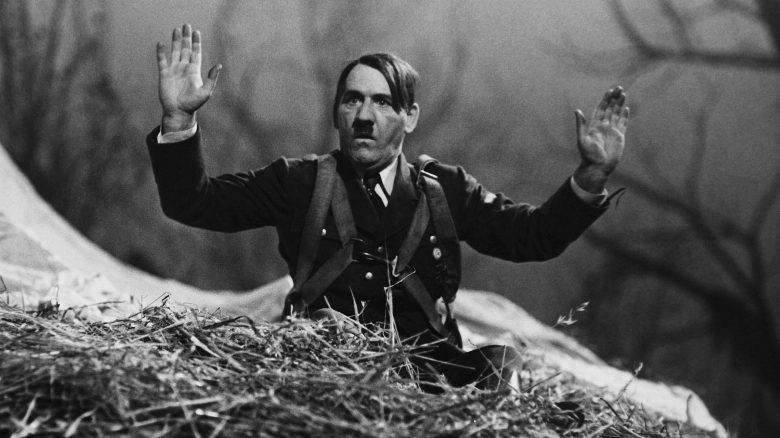
Ernst Lubitsch mastered the art of the tightrope walk in 1942 with To Be or Not to Be, a film that dared to find humor in the darkest shadows of the second world war. While contemporary audiences might associate Polish resistance narratives with grim, somber dramas, this production pivots toward the theatrical absurdity of life under occupation. The plot follows a troupe of stage performers whose flair for the dramatic becomes their most potent weapon when they are forced to outmaneuver Nazi intelligence. It is a masterclass in tonal balance, proving that even amidst the terrifying uncertainty of the Warsaw occupation, human ingenuity and vanity can provide a shield against despair. By focusing on the artifice of acting, the film suggests that in a world stripped of freedom, performance becomes the only authentic way to survive.
For fans of global cinema who appreciate the stylistic evolution of the heist and spy genres, this classic offers a fascinating precursor to the clever, ensemble-driven capers often seen in modern Indian cinema. Much like the intricate plots found in high-stakes thrillers from the Telugu or Hindi industries where protagonists must adopt multiple personas to infiltrate enemy circles, the characters here rely on costumes, accents, and impeccable timing. It stands out because it refuses to be a conventional war film, favoring sharp, witty dialogue over heavy-handed political commentary. The comedic tension is derived from the fact that these actors are far more comfortable playing roles on a stage than they are navigating the lethal realities of espionage, creating a delightful friction that keeps the narrative moving at a relentless pace.
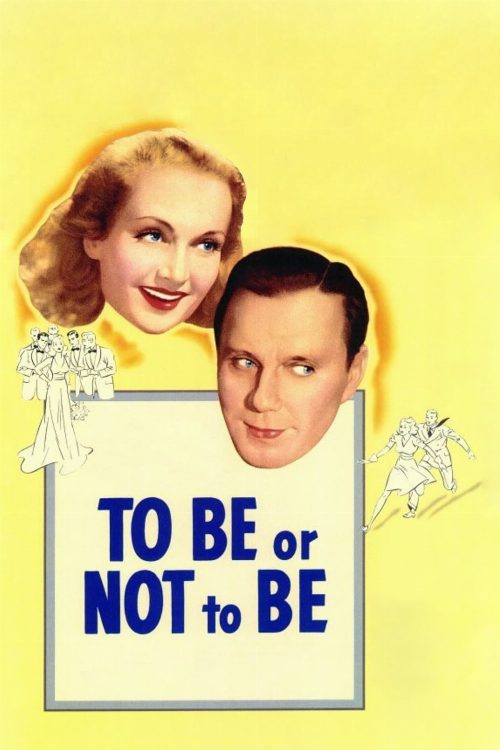
Viewers who enjoy character-driven stories where the lines between reality and fabrication blur will find this piece essential viewing. It is perfectly suited for those who admire the work of directors who can juggle satire and suspense without losing the emotional core of their story. Carole Lombard and Jack Benny deliver performances that rely on a perfect marriage of timing and vulnerability, anchoring the high-concept premise in genuine human stakes. Even decades after its release, the film feels remarkably fresh because it taps into the universal desire to use wit as a defense mechanism against overwhelming authority. Whether you are a scholar of classic Hollywood or simply someone who appreciates a well-constructed script that values intelligence over spectacle, this production remains a benchmark for how to approach sensitive historical subjects with elegance, intellect, and a much-needed sense of irony.
Cast(51)