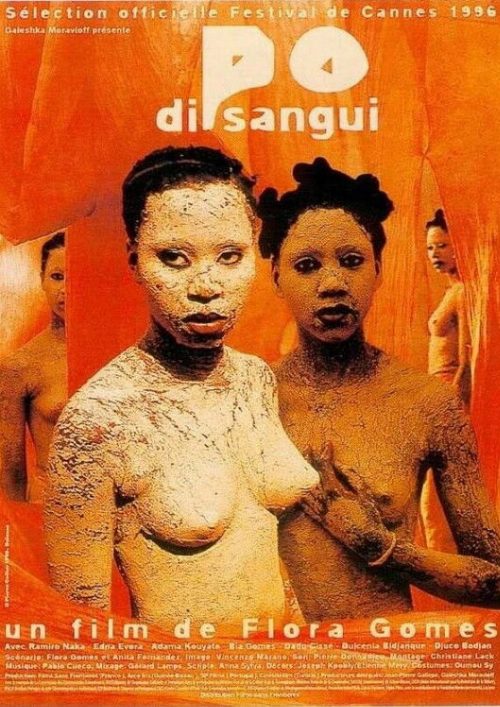
About Tree of Blood
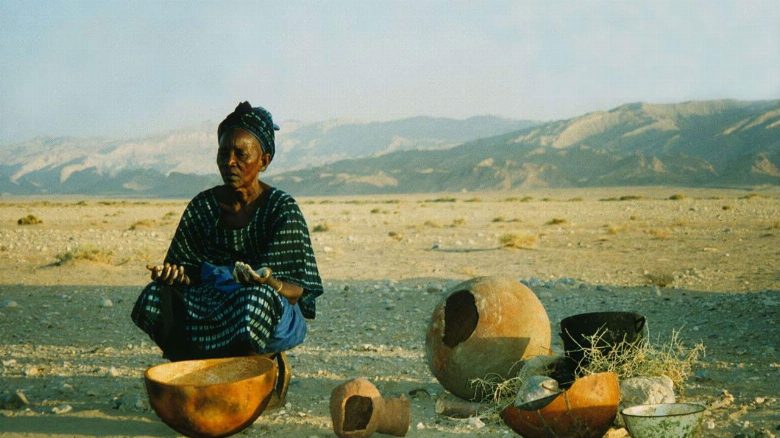
Done in the style of an African folk tale, this film, a collaboration between European and African countries, is said to be among the most elaborate, high tech film in African film. Exquisitely photographed and filled with archetypal figures to create a poetic look at nature's revenge against those who would exploit her. It is set in the forest village of Amanha Lundju, a place where the birth of children is celebrated by the planting of a tree. The trees are considered spiritual twins. But for every tree planted, the rapacious state destroys many more for firewood and lumber.
Flora Gomes delivers a visually arresting cinematic fable in Tree of Blood, a 1996 drama that bridges the gap between traditional oral storytelling and modern visual ambition. Set against the backdrop of the lush village of Amanha Lundju, the film functions as a haunting meditation on the fragile equilibrium between human ritual and industrial greed. While many international dramas focus on individual character arcs, this work shifts its gaze toward the environment as a central protagonist. By grounding the narrative in the local custom of planting a tree to commemorate every newborn child, the director establishes a profound spiritual connection between the villagers and the landscape, creating a poignant contrast with the cold, extractive forces of the state that threaten to dismantle their way of life.
The film stands as a significant milestone in the history of international co-productions, showcasing a level of technical sophistication that was rare for its time and place of origin. It captures the essence of a folk tale while maintaining the gravity of a political thriller, effectively using the metaphor of the forest as a living entity that remembers the scars inflicted upon it. For viewers who appreciate the poetic realism found in contemporary Indian cinema, such as the works of Pather Panchali or the recent surge in environmentally conscious narratives across the Malayalam and Kannada industries, this film will feel both familiar and strikingly distinct. It captures that same intersection of human vulnerability and the unforgiving power of nature, inviting the audience to reflect on the cost of progress in a rapidly changing world.
Beyond its striking cinematography, the film excels in its use of archetypal figures to explore complex themes of exploitation and resilience. It is an ideal recommendation for those who seek out cinema that challenges the viewer to look beyond the surface of a plot to find deeper, universal truths about our relationship with the earth. Flora Gomes demonstrates a masterful command over atmosphere, ensuring that the visual landscape is just as expressive as the performances of Jorge Quintino Biague and the rest of the ensemble. This is not merely a drama about survival, but a vibrant, cautionary exploration of the spiritual debt we incur when we prioritize profit over preservation. It remains a timeless piece of global cinema, offering a perspective that feels perhaps even more urgent today than it did upon its initial release decades ago.