About Trilogy of Swordsmanship
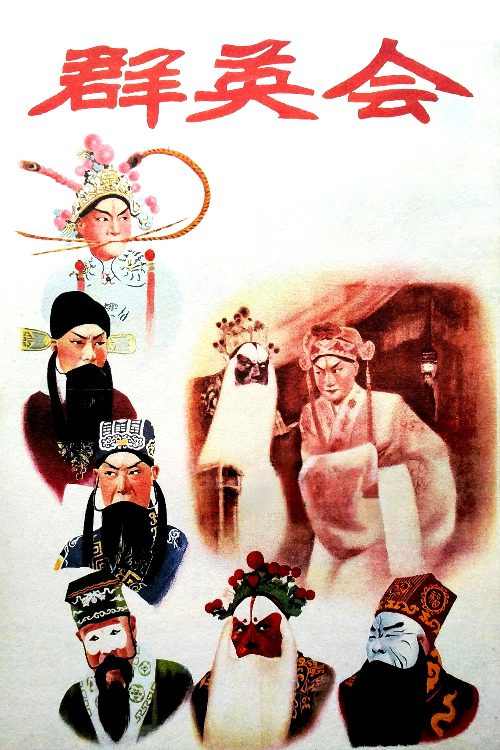
Cinema enthusiasts often overlook the treasures of mid-century Chinese performing arts, yet the 1957 production Trilogy of Swordsmanship stands as a vital time capsule of Beijing opera captured on celluloid. Directed by Cen Fan, this film serves as a sophisticated bridge between traditional stage performance and the burgeoning language of motion pictures. By focusing on the rhythmic intensity and physical precision of sword-based choreography, the work translates the heightened theatricality of the opera house into a medium that allows for closer inspection of the intricate movements. It is a rare opportunity for contemporary viewers to witness legendary performers like Ma Lianliang and Yuan Shihai at the height of their careers, preserving a style of stagecraft that has evolved significantly in the decades since.
For those who appreciate the intersection of classical Indian dance dramas and traditional Chinese aesthetics, this film offers a fascinating comparative study. Much like the stylized narrative structures found in regional Indian cinema of the fifties, this production relies heavily on the marriage of music and movement to convey emotional depth rather than relying on naturalistic dialogue. The film is positioned as a showcase for virtuosity, where the performers operate as both actors and athletes. It is an essential viewing experience for students of global performance art or anyone interested in the foundational aesthetic choices that influenced later martial arts cinema. The deliberate pacing and focus on character archetypes place it firmly within a lineage of historical storytelling that prioritizes grace and discipline over modern kinetic editing.
Choosing to engage with this piece requires an appreciation for slow-burn artistry and the dedication of masters who spent lifetimes perfecting a single gesture. While modern audiences raised on the rapid-fire editing of contemporary action films might find the rhythm unconventional, the film rewards those who lean into its meditative cadence. It is a testament to the vision of Cen Fan that he managed to retain the essence of the stage while utilizing the camera to highlight the subtle expressions of the ensemble cast. As the industry continues to explore the roots of Asian genre filmmaking, works like this act as a cornerstone for understanding how movement and music were historically synthesized to tell sweeping tales of honor and skill. Whether you are a fan of historical archives or simply curious about the evolution of the musical drama genre, this project serves as a compelling reminder of the power of traditional performance preserved on film.
Cast(4)

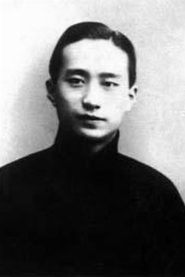
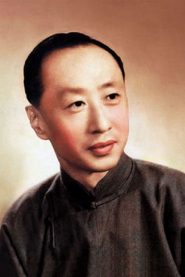
Crew
Similar Films