About Vazante
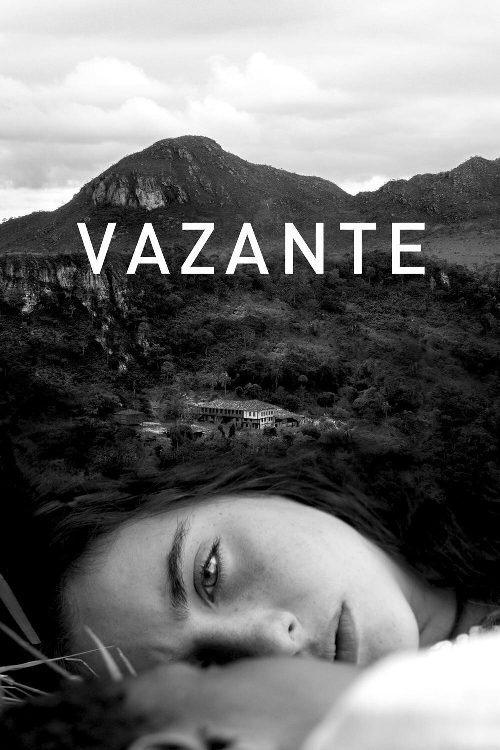
Brazil 1821. Upon his return to the imposing farmhouse, Antonio, a rich cattle herder, finds out that his wife dies in labor. Forced to live in the property with numerous African slaves, he marries his wife's niece. A restless soul, he returns to droving, leaving his young wife behind alone with the slaves.
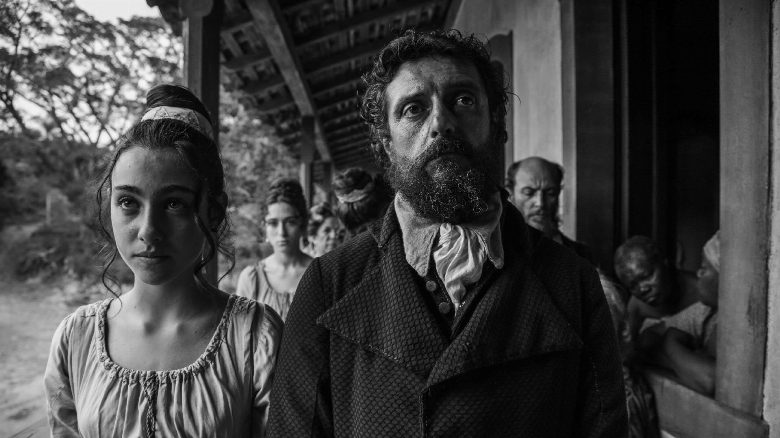
Set against the stark, unforgiving landscape of early nineteenth-century Brazil, Vazante serves as a haunting examination of power dynamics and isolation. The narrative centers on a wealthy cattle rancher who, following the tragic loss of his spouse, enters into a union with her much younger niece. As the protagonist frequently departs his expansive estate to manage his herds, the film shifts its focus toward the complex social hierarchy simmering within the farmhouse. It is a slow-burning period piece that prioritizes atmosphere and visual storytelling over traditional dialogue, capturing the profound disconnect between the master of the house and the enslaved people who maintain the property in his absence.
This production stands out for its deliberate refusal to soften the edges of its historical setting. While many dramas set in the colonial era lean into romanticized tropes, this film adopts a clinical, almost detached gaze that forces the audience to confront the structural brutality of the time. The cinematography emphasizes the vastness of the rural interior, making the characters appear small and trapped within their own rigid social roles. For viewers who appreciate the contemplative, visually driven aesthetic found in recent works of world cinema, this film offers a deeply immersive experience. It shares a thematic kinship with other international dramas that explore the intersection of personal grief and institutional injustice, making it a compelling choice for those who prefer stories that linger in the mind long after the credits roll.
Director Daniela Thomas brings a keen eye for detail to this project, balancing the intimate struggles of her leads with the broader, oppressive weight of the era. The performances are restrained yet powerful, particularly in how they convey the suffocating tension of a household built upon inequality. The film functions as a stark reminder of how historical narratives are often shaped by silence and the unseen labor of the marginalized. It is a challenging watch, certainly, but one that rewards audiences looking for intellectual rigor and high artistic ambition. By focusing on the intersection of a crumbling domestic life and the harsh realities of the frontier, the film cements its place as a significant entry in the canon of contemporary Brazilian cinema, appealing to cinephiles who value historical authenticity and thematic depth over conventional pacing.
Cast(13)