About W. B. Yeats: A Tribute
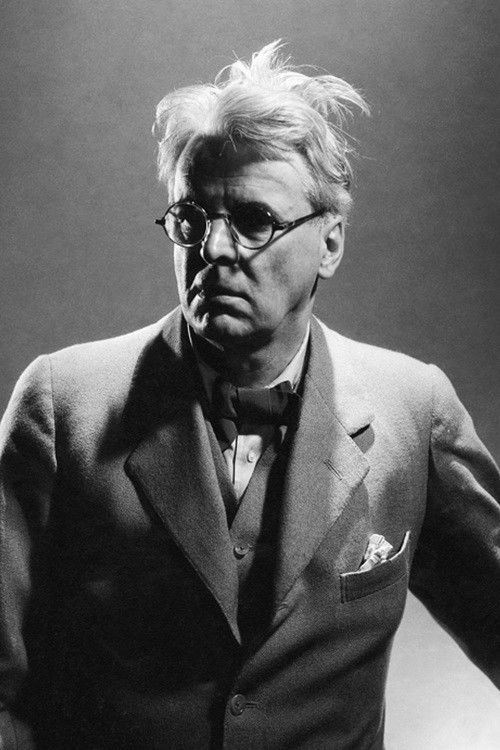
Yeats poems set to visuals of Sligo, Dublin and London. One of the series of non-fction films produced by the National Film Institute.
Stepping away from the high-octane spectacles currently dominating the pan-Indian market, Georg Fleischmann’s 1950 documentary W. B. Yeats: A Tribute serves as a meditative bridge between classic literary heritage and the evolution of non-fiction cinema. While today’s global audiences are accustomed to the sprawling, multi-layered narratives prevalent in Telugu or Malayalam productions, this film offers a starkly different aesthetic experience. By grounding the ethereal verses of a legendary poet in the physical landscapes of Sligo, Dublin, and London, the film functions as an early experiment in visual poetry, long before such techniques became standard in modern biographical storytelling. It is a work that values atmosphere and rhythmic pacing over the frantic editing styles often seen in contemporary digital-age documentaries.
The film relies heavily on the gravitas of its performers, featuring the voices of Cyril Cusack, Siobhán McKenna, and Micheál Mac Liammóir. For viewers who appreciate the intersection of performance art and historical documentation, the presence of these icons of the Irish stage provides an essential emotional anchor. Much like the way regional Indian cinema utilizes the star power of veteran actors to lend weight to cultural narratives, this tribute uses the vocal prowess of its cast to transform static geography into a living, breathing history. The film is positioned as a foundational piece of the National Film Institute’s catalog, capturing a moment when the medium was still exploring how to translate the printed page into a cinematic language that could capture the soul of a nation.
Audiences who gravitate toward the reflective, slow-burn narratives found in art-house cinema will find much to admire in this archival treasure. It is not designed for those seeking rapid plot development or dramatic conflict; instead, it invites the viewer to slow down and immerse themselves in the interplay between language and landscape. For those interested in the history of global non-fiction, this project serves as a compelling study of how a director can honor a literary giant without resorting to traditional biographical tropes. It remains a sophisticated example of how regional identity, when viewed through the lens of iconic literature, can transcend its geographical boundaries to resonate with a global audience, much like the best of India's parallel cinema movement often manages to do today.