Werner and the Wizard of Booze(1990)
About Werner and the Wizard of Booze
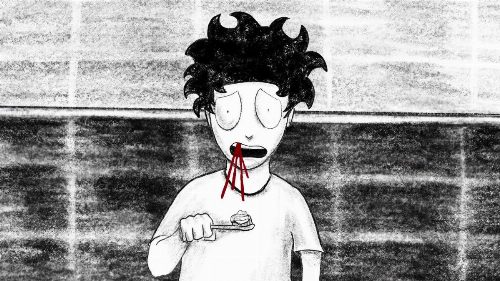
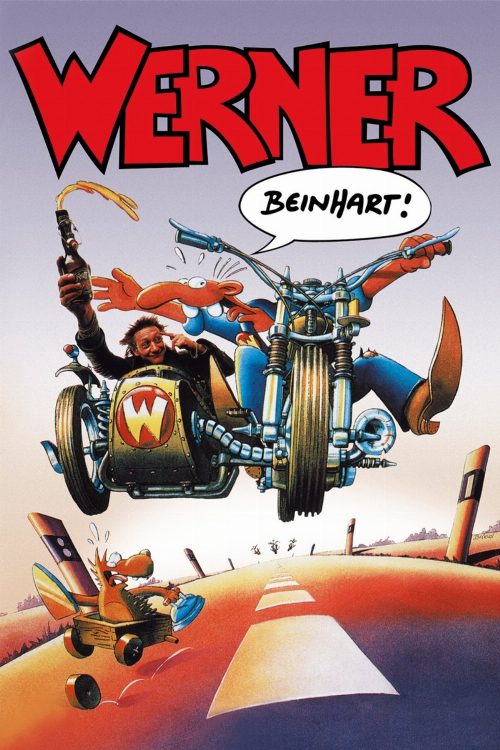
Comic artist Brösel trades a magic pen that helps him come up with funny stories for the promise to fulfill one of Rumpelstiltskin's wishes. The resulting animated films show episodes of the life of Werner, a plumber apprentice and motorbike enthusiast and his friends. They are interspersed with the live-action portions.
Werner and the Wizard of Booze occupies a singular space in the landscape of European animation, serving as a raucous bridge between underground comic culture and the mainstream cinematic experience. Released in 1990, this project captures the rebellious, beer-soaked spirit of the Werner comics, which have long defined a specific brand of northern German counterculture. By blending traditional hand-drawn animation with eccentric live-action sequences, the film creates a meta-narrative structure that feels remarkably ahead of its time. It functions less as a standard narrative and more as an episodic dive into the chaotic, blue-collar life of a motorcycle-obsessed plumber apprentice who finds himself navigating the absurdities of everyday existence through a lens of surreal humor and liquid courage.
For audiences accustomed to the polished, hyper-stylized output of modern international studios, this film offers a refreshing, gritty alternative that resonates with the same energy found in the irreverent cult classics of global cinema. Much like the regional sensibilities often celebrated in the vibrant industries of India, such as the earthy, character-driven comedies of Malayalam cinema or the high-octane, hero-centric tales of Telugu film, this German production leans heavily into its local identity. It does not attempt to mimic the global homogenization of animation; instead, it doubles down on the specific quirks, dialects, and social habits of its target demographic. The inclusion of the creator, Rötger Feldmann, in the production process ensures that the transition from static panels to moving images retains the jagged, provocative edge that fans of the source material demand.
Viewers who appreciate animation that prioritizes character personality and slapstick volatility over saccharine sentimentality will find plenty to enjoy here. It is a film for those who prefer their protagonists flawed, loud, and prone to monumental failures rather than traditional heroic archetypes. By weaving in the presence of the mythical Rumpelstiltskin as a catalyst for the creative process, the story cleverly addresses the struggle of an artist trying to maintain his wit, turning a simple premise into a vehicle for wild visual gags and frantic pacing. While the animation style reflects the aesthetic limitations of its era, its commitment to a distinct, unapologetic voice makes it an essential watch for cinephiles interested in how regional comic traditions are adapted for the big screen. It remains a fascinating artifact of German pop culture that continues to influence discussions about how to effectively marry live-action performance with stylized, cartoonish storytelling.
Cast(33)