
Who Works Is Lost(1963)
About Who Works Is Lost
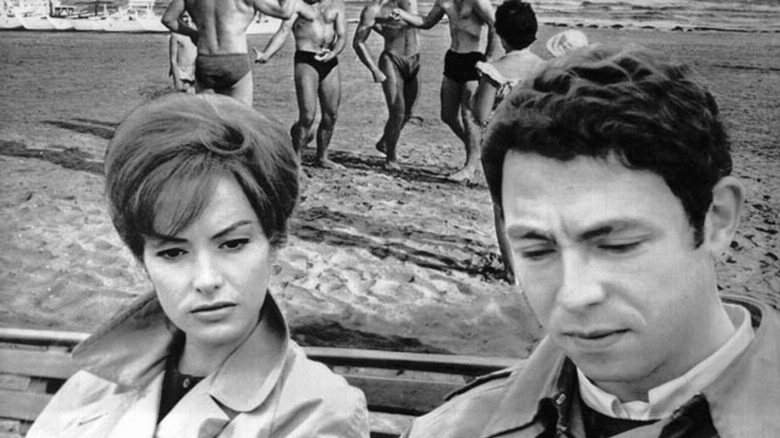
Bonifacio is 27 years old and he is roaming about Venice. He is trying to decide whether to accept a job or not. In so doing, he recalls all his past life: his love story with Gabriella, his old friend Claudio, who had always regarded working as a worthwhile thing, the war, the partisans.
Italian neorealism often focused on the struggle for survival, but Who Works Is Lost captures a more existential form of tension that feels remarkably ahead of its time. Set against the atmospheric backdrop of Venice, the film follows a young man named Bonifacio as he navigates the paralyzing weight of career choices and the philosophical burden of labor. Rather than presenting a straightforward narrative of professional ambition, the story functions as a psychological portrait of a generation caught between the remnants of wartime memory and the encroaching demands of a modernizing society. By grounding the character in a specific city that thrives on aesthetic beauty rather than industrial output, the film elevates a simple dilemma into a deep interrogation of what it means to lead a meaningful life.
The film resonates strongly with viewers who appreciate the introspective, character-driven dramas often found in the parallel cinema movements of India. Just as filmmakers like Ritwik Ghatak or Satyajit Ray explored the internal alienation of their protagonists amidst rapid social shifts, this Italian production examines the quiet friction between personal freedom and societal expectations. Bonifacio serves as a vessel for those who have ever felt the hesitation of choosing a path that might strip away their identity. The inclusion of flashbacks to his involvement with partisans and his romantic history with Gabriella provides a necessary layer of gravitas, showing that his current lethargy is not born of laziness, but of a profound disillusionment with the post-war world he is expected to join.
Audiences who enjoy slow-burn European classics will find this piece particularly compelling for its refusal to provide easy answers. It is a contemplative experience that prioritizes mood and memory over frantic plot progression, making it an ideal choice for cinephiles who value historical context and character nuance. The performances, particularly those of Monique Messine and Sady Rebbot, anchor the film in a raw, human reality that prevents the philosophical questions from becoming too abstract. For those interested in the evolution of mid-century global cinema, this film stands as a significant bridge between the immediate desperation of the post-war era and the more detached, intellectual exploration of the self that would come to define the later decades of European filmmaking. By focusing on a man deciding whether to engage with the workforce, the director crafts a timeless meditation on the cost of conformity that feels just as relevant to contemporary discussions about work-life balance and individual autonomy.
Cast(8)






Crew
Unit Manager
Dialogue
Sound Mixer
Production Design
Producer
Second Assistant Director
Camera Operator
Script Supervisor
Director of Photography
Similar Films