About Wings of Desire
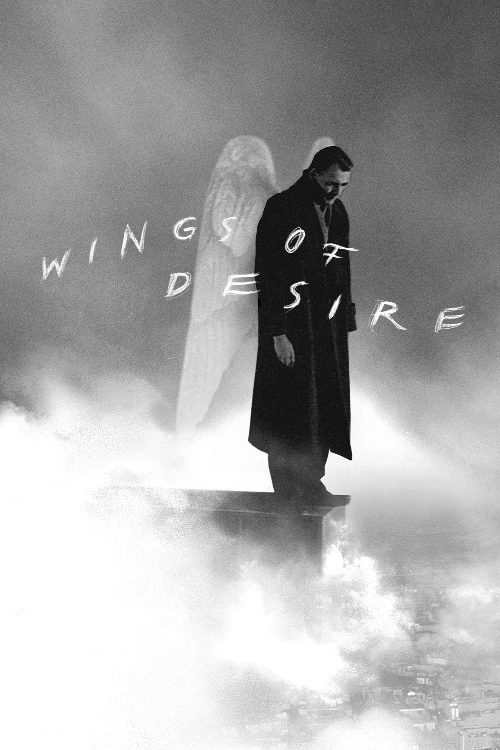
Two angels, Damiel and Cassiel, glide through the streets of Berlin, observing the bustling population, providing invisible rays of hope to the distressed but never interacting with them. When Damiel falls in love with lonely trapeze artist Marion, the angel longs to experience life in the physical world, and finds — with some words of wisdom from actor Peter Falk — that it might be possible for him to take human form.
Wim Wenders crafted a cinematic poem that transcends the limitations of traditional storytelling by focusing on the quiet, ethereal observation of human existence. Set against the stark, divided backdrop of pre-reunification Berlin, the film follows two immortal guardians who drift through the lives of citizens, offering silent comfort to those burdened by sorrow or solitude. Unlike the high-octane fantasy epics often favored by modern global audiences, this work opts for a contemplative pace, prioritizing the beauty of monochromatic visual textures and the internal monologues of the people inhabiting a fractured city. It serves as a profound meditation on the sensory richness of mortality, asking whether the fleeting nature of human experience is worth the price of relinquishing eternal peace.
For enthusiasts of Indian cinema who appreciate the philosophical depth found in the works of directors like Mani Ratnam or the atmospheric storytelling of Malayalam classics, this film offers a similar resonance. While it belongs to the distinct lineage of European art-house masterpieces, its core themes of longing and the search for connection are universal. The narrative finds a unique anchor when one of the celestial beings encounters a performer who lives her life high above the ground, sparking a desire to trade his wings for the tactile, messy, and finite reality of a person. The inclusion of Peter Falk, playing a version of himself, adds a meta-textual layer that bridges the gap between the divine observer and the grounded participant, providing a touch of warmth and guidance to a character lost in the transition between states of being.
Viewers who enjoy films that prioritize mood and existential inquiry over rigid plot structures will find this piece particularly rewarding. It is a slow-burn experience that invites the audience to perceive their own world with renewed sensitivity, stripping away the noise of daily life to appreciate the small, intimate details of human interaction. The film stands as a testament to the idea that being human is a privilege, even with all the pain that accompanies it. Whether you are a dedicated student of international film history or simply someone seeking a transformative viewing experience, this classic remains essential. It challenges us to observe the people around us not merely as strangers, but as fellow travelers in a vast and often mysterious journey, making it a timeless addition to any cinephile's essential viewing list.
Cast(82)