Metropolis(1927)
“There can be no understanding between the hands and the brain unless the heart acts as mediator.”
About Metropolis
In a futuristic city sharply divided between the rich and the poor, the son of the city's mastermind meets a prophet who predicts the coming of a savior to mediate their differences.
Fritz Lang's Metropolis, a monumental achievement from 1927, continues to resonate almost a century after its release, offering a visually stunning and thematically potent exploration of societal divides that feels eerily relevant even today. This German Expressionist masterpiece plunges viewers into an intricately imagined urban landscape, a gleaming testament to human ingenuity for the elite, yet a subterranean prison for the vast working class whose tireless labor powers the city above. It's a stark portrayal of industrial-era anxieties, amplified through a lens of futuristic design and groundbreaking special effects that were revolutionary for their time and remain captivating. The film is not merely a spectacle; it's a profound meditation on class struggle, technological advancement, and the eternal human quest for connection across seemingly insurmountable barriers.
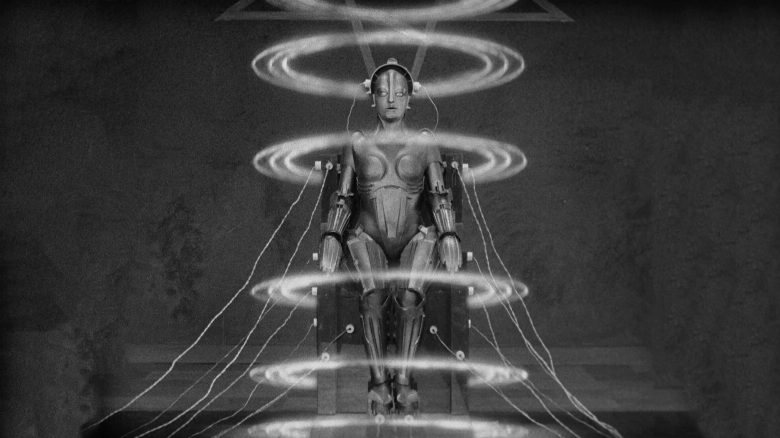
The narrative unfurls around Freder, the privileged son of the city's omnipotent architect, whose sheltered existence is shattered by an encounter with Maria, a charismatic figure who champions the cause of the oppressed workers. Maria's vision of a mediator, a "heart" to bridge the chasm between the "hands" that toil and the "brain" that governs, forms the emotional core of the story. This allegorical framework elevates Metropolis beyond a simple sci-fi adventure, positioning it as a powerful parable on social justice and empathy. Lang's direction, characterized by its meticulous set design, innovative camera work, and dramatic lighting, crafts a world that is both awe-inspiring and terrifying. The performances, particularly Brigitte Helm's dual role as Maria and her robotic doppelgänger, are iconic, capturing the film's blend of human vulnerability and mechanical menace.
For fans of classic cinema, especially those with an appreciation for silent film and the foundational works of science fiction, Metropolis is an essential viewing experience. Its influence on subsequent generations of filmmakers, from Blade Runner to Star Wars, is undeniable, making it a crucial piece in understanding the evolution of cinematic storytelling. Viewers interested in the intersection of art, technology, and social commentary will find much to dissect and admire in Lang's ambitious vision. While its German origins place it within a specific European cinematic tradition, the universal themes of inequality, humanity versus machinery, and the search for understanding ensure that Metropolis transcends geographical and temporal boundaries, speaking to audiences across the globe, much like the timeless narratives explored in contemporary Indian cinema from Mumbai to Chennai.
Cast(13)