About Xiao Erhei's Marriage
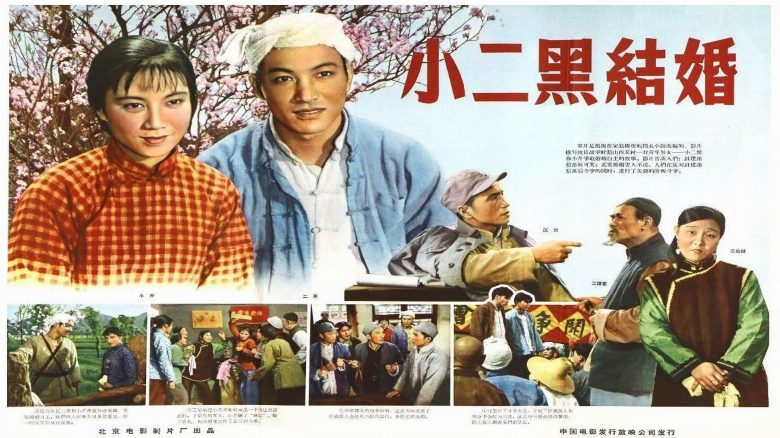
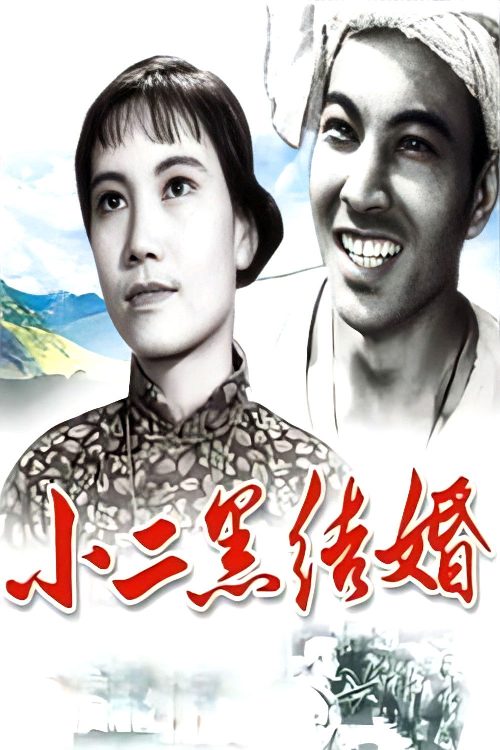
In Liujiajiao Village, a border area in Shanxi, during the Anti-Japanese War, Xiao Erhei attempts to marry Xiaoqin, despite opposition from various conniving locals.
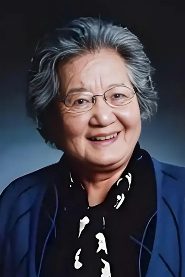
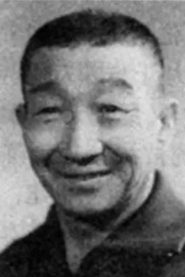
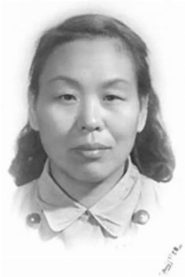
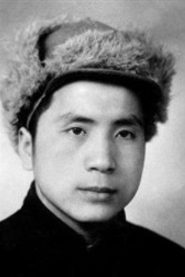
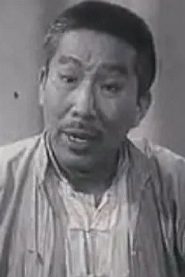
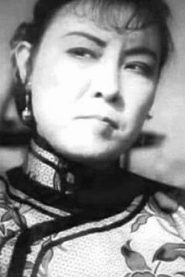
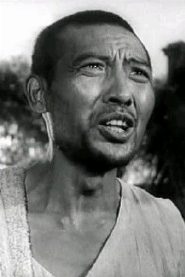
The 1964 production Xiao Erheis Marriage serves as a fascinating window into a period of Chinese cinema where revolutionary idealism collided with traditional social structures. Directed by Gan Xuewei, this film adaptation of the famous novel captures the spirit of rural transformation and the friction between the old guard and the younger generation in the remote Shanxi region. Set against the backdrop of the mid-twentieth century conflict, the story moves beyond simple war narratives to focus on the personal agency of its protagonists. By centering the plot on a young couple navigating the complexities of romance in a tight-knit village, the film highlights the shift toward self-determination that defined the era. The performance by Ge Cunzhuang and the rest of the ensemble cast brings a grounded, earthy quality to the screen that reflects the specific regional identity of the characters while universalizing the struggle for individual autonomy.
For viewers interested in the evolution of Eastern storytelling, this drama acts as a significant bridge between folk literature and the socialist realism that dominated the industry at the time. It is particularly noteworthy for its focus on the petty hierarchies and meddling authority figures within Liujiajiao Village, which creates a sharp contrast between the forward-thinking youth and the cynical, superstitious elders. While it is rooted in a historical context that feels worlds away from the slick, modern visual language of current Hindi or Telugu blockbusters, the core themes of parental pressure and societal obstacles remain remarkably relatable. The film does not rely on grand spectacle, instead finding its power in the intricate dynamics of village life and the subtle defiance of its lead characters.
Audiences who appreciate character-driven dramas that explore cultural shifts will likely find this piece compelling. It is an essential watch for those curating a deeper understanding of global cinema history, specifically the way regional folklore was utilized to shape national identity. The film is positioned as a quintessential example of its decade, balancing a sense of genuine local color with the broader ideological goals of the time. Whether you are a student of film history or simply a fan of stories that prioritize social commentary alongside romantic tension, this work remains a significant archival treasure. Gan Xuewei masterfully maintains a balance that keeps the tension high without losing the charm of the rural setting, ensuring that the stakes remain deeply personal even as they reflect wider societal movements.