
About Yanagawa
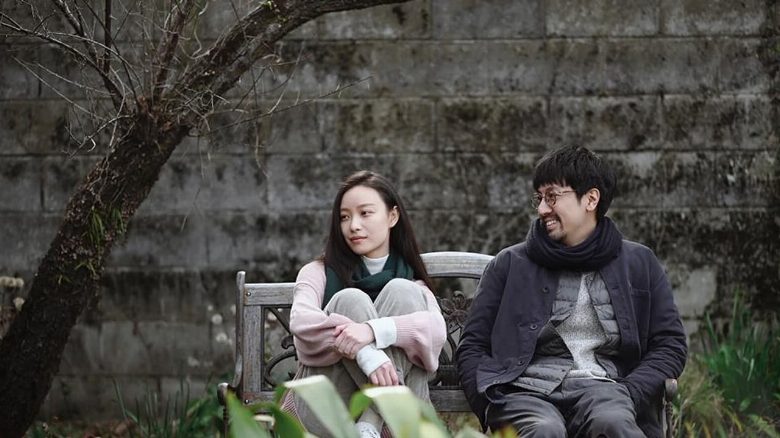
At a Japanese restaurant nestled within the busy streets of Beijing, Li Dong convinces his older brother Li Chun to travel together to the Japanese city of Yanagawa to find and catch up with their childhood sweetheart Liu Chuan.
Stepping away from the high-octane spectacles currently dominating global box offices, Zhang Lu offers a meditative exploration of memory and unresolved longing in his latest feature. The narrative centers on two brothers who depart from the bustling atmosphere of Beijing to journey toward a picturesque Japanese town, a trip motivated by the lingering ghost of a woman who played a pivotal role in their shared past. While the premise may sound like a classic romantic pursuit, the film functions more as a chamber drama where the geography of the heart is as important as the physical landscape. Zhang Lu, known for his delicate handling of cross-cultural tensions and the complexities of human displacement, treats the reunion not as a triumph, but as a fragile confrontation with the passage of time and the versions of ourselves we leave behind.
Within the broader landscape of Asian cinema, this film stands out for its quiet restraint and its refusal to lean into the melodrama often associated with love triangles. It mirrors the atmospheric pacing seen in contemporary independent films from South Korea and Japan, focusing on the spaces between words rather than the dialogue itself. For audiences who appreciate the nuanced storytelling found in the works of directors like Hirokazu Kore-eda or the introspective character studies prominent in recent Malayalam or Tamil indie dramas, this picture provides a deeply rewarding experience. The casting of Ni Ni as the focal point of the brothers' collective memory is inspired, as she brings a haunting quality to a character who exists primarily as a projection of their internal needs and regrets.
This is a film specifically crafted for viewers who value character-driven narratives over plot-heavy twists. It captures the specific ache of middle age, where the decisions made in youth continue to cast long shadows over current lives. By setting the story against the backdrop of Yanagawa, a city known for its canals and historical serenity, the director creates a sanctuary that allows the protagonists to finally address the silence that has existed between them for decades. Those looking for a cinematic experience that lingers in the mind long after the credits roll will find this work to be a profound reflection on how we reconcile our past selves with the people we have eventually become. It is a sophisticated addition to the director's filmography, solidifying his reputation as a master of intimate, human-centric storytelling that transcends linguistic and cultural borders.
Cast(9)