About รถไฟ
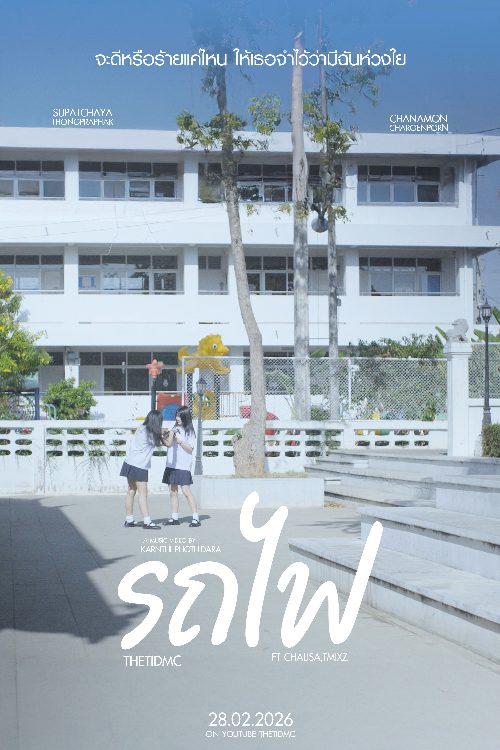
Rarely does a cinematic production capture the intersection of rhythmic movement and emotional turbulence with such deliberate grace as the 2026 Thai feature film Rotfai. Moving beyond the standard conventions of Southeast Asian romance, the narrative utilizes the mechanical pulse of locomotive travel as a living, breathing metaphor for the transient nature of human connection. Director Karnthi Phothidara crafts a visual landscape that feels less like a traditional drama and more like a carefully composed ballad, where the rhythmic clacking of iron wheels against the track dictates the pacing of a burgeoning relationship. By focusing on the intimate lives of characters tethered to the rails, the film explores how geography and destiny often collide in spaces between departure and arrival, distancing itself from the high-octane thrillers currently dominating much of the regional box office landscape.
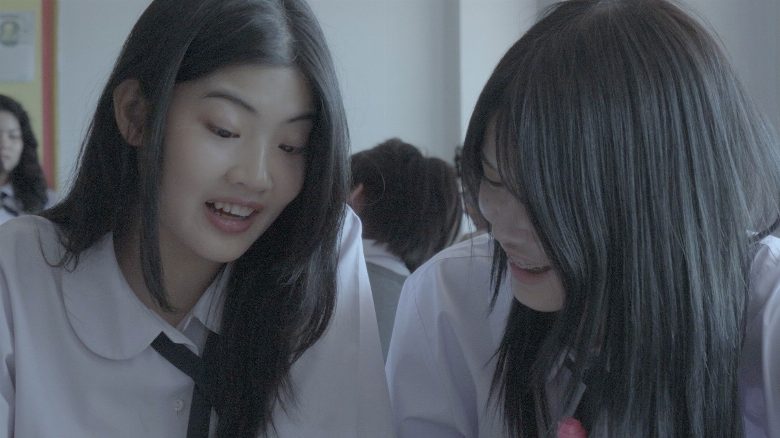
For audiences familiar with the nuanced storytelling often found in contemporary Indian cinema, particularly the lyrical sensibilities of Tamil or Malayalam independent dramas, Rotfai offers a refreshing companion piece. It prioritizes mood and atmospheric world-building over explosive plot twists, echoing the slow-burn intensity that has defined the careers of auteurs who favor character interiority. Supatchaya Thongpraphak delivers a performance of remarkable subtlety, grounding the more poetic elements of the screenplay in a reality that feels both relatable and deeply melancholic. Her chemistry with co-stars Chanamon Charoenporn and Teerapat Japa is built on glances and stifled dialogue, highlighting the director’s commitment to showing rather than telling, a craft that requires a patient viewer willing to engage with the film on its own meditative terms.
This project arrives at a moment when global cinema is increasingly leaning into localized stories that resonate with universal themes of displacement and longing. It is positioned as an essential watch for enthusiasts of atmospheric music-driven narratives who appreciate when a soundtrack acts as a primary character rather than a background accessory. By stripping away the artifice often found in mainstream romantic dramas, Karnthi Phothidara creates a space where silence is as meaningful as the melody. Whether one is a devotee of Thai cinema or a casual viewer looking for a departure from formulaic blockbusters, this film provides a hauntingly beautiful examination of how we carry the baggage of our pasts while moving toward an uncertain future. It is a testament to the power of minimalist storytelling and a bold step forward for a director who clearly understands the weight of a quiet moment.