About King Keaw
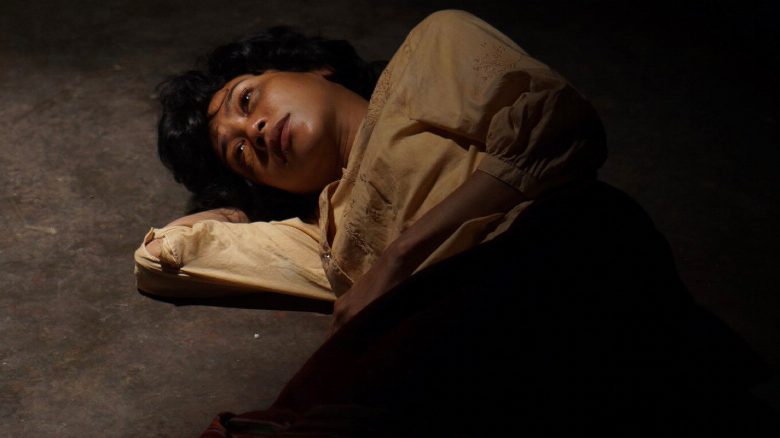
Despite the overwhelming evidence against her, Kingkeaw repeatedly insists on her innocence. The court ultimately sentences her to death, and she dies filled with rage, grief, and resentment.
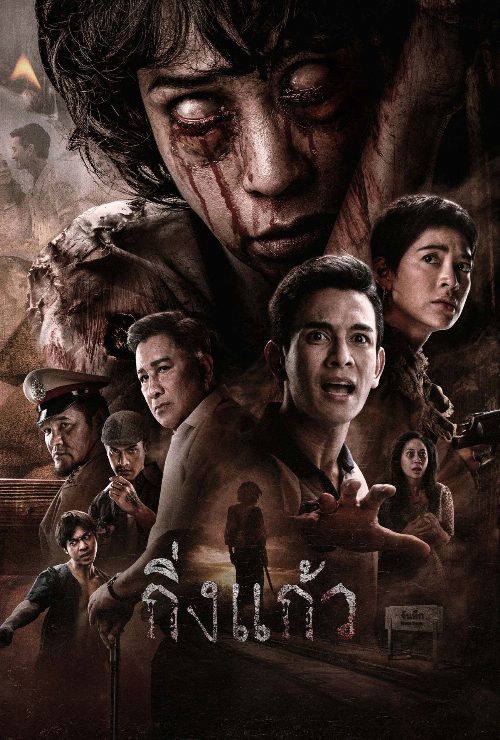
The haunting legacy of Thai judicial history finds a visceral new expression in King Keaw, a 2026 production that masterfully blurs the lines between grim true-crime procedural and supernatural folk horror. Directed by Ekkachai Srivichai, the film moves beyond a standard courtroom drama by anchoring its narrative in the palpable suffering of a woman caught in the grinding gears of a flawed system. While the plot centers on a defendant facing an irreversible sentence despite her persistent pleas of innocence, the storytelling leans heavily into the atmospheric dread that has become a hallmark of modern Southeast Asian genre cinema. It avoids the clinical detachment of a documentary, instead opting for a feverish exploration of how systemic betrayal can fester into something truly paranormal.
For audiences familiar with the current wave of gritty, socially conscious horror coming out of Thailand, King Keaw serves as a stark reminder of the genre's power to critique real world institutions. The film is positioned as a psychological character study rather than a simple ghost story, focusing on the emotional disintegration of the protagonist as her hope evaporates. Intira Jaroenpura leads a powerhouse ensemble cast, delivering a performance that balances fragile humanity with a simmering, dangerous intensity. The production design captures the claustrophobic tension of a life hanging in the balance, utilizing dim lighting and oppressive soundscapes to keep the viewer in a state of constant unease. It is a bold choice to frame a historical tragedy through the lens of vengeful spirit folklore, yet it resonates deeply with local audiences who appreciate stories that blend cultural superstition with contemporary legal anxieties.
This film is essential viewing for fans of cerebral horror who prefer slow burning dread over cheap jump scares. Those who appreciate the complex character work found in recent Malayalam or Tamil crime dramas will likely find a familiar thematic weight here, as the film prioritizes the psychological fallout of institutional injustice over sensationalized violence. Ekkachai Srivichai has crafted a piece that feels both timely and timeless, tapping into universal fears regarding the powerlessness of the individual against the state. By focusing on the lingering rage of a woman defined by her final moments of life, King Keaw invites viewers to look past the official verdict and consider the harrowing emotional truth beneath the surface. It stands as a sophisticated addition to the 2026 cinematic landscape, demanding attention for its technical precision and its unflinching look at the intersection of grief and retribution.