About Path of The Brave
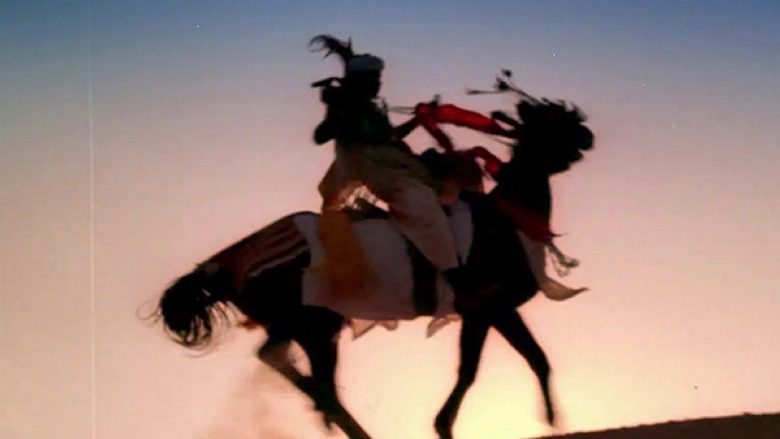
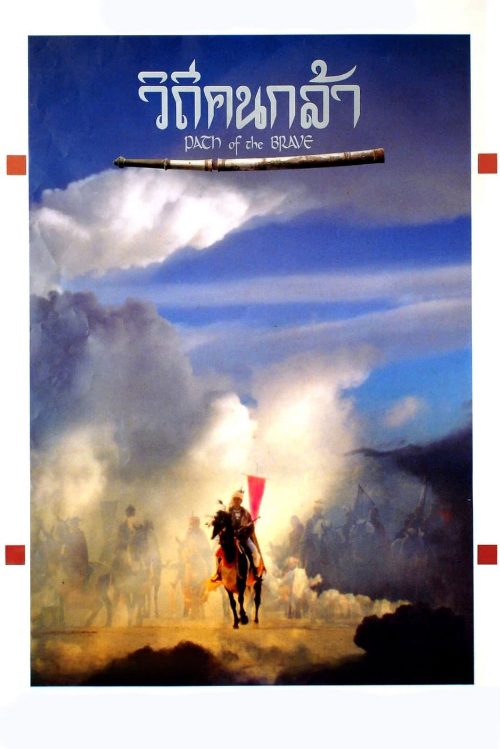
Hilltribes in the Golden Triangle region have different customs and beliefs. This is about the war between 2 such tribes a long time ago. The son of the headman of one tribe is trained in the art of war and the courage to fight the opposing tribe that has stolen their cattle, crops and opium. Once trained the war begins.
Set against the rugged and mist-shrouded landscapes of the Golden Triangle, Path of The Brave emerges as a compelling artifact of early nineties Southeast Asian cinema that captures the raw intensity of tribal conflict. While contemporary audiences are often accustomed to sleek, high-budget action epics, this film remains grounded in a visceral portrayal of cultural friction, focusing on the ancestral disputes that define life in isolated mountainous regions. Director Euthana Mukdasanit masterfully navigates the intersection of dramatic human stakes and the brutal necessities of survival, crafting a narrative that feels both intimate in its character development and expansive in its depiction of ancient hostilities. By prioritizing the internal logic of these distinct communities, the film avoids becoming a generic action exercise, instead offering a window into a world governed by honor, tradition, and the heavy toll of perpetual combat.
The story centers on the son of a community leader who must undergo rigorous martial preparation to reclaim vital assets lost to a neighboring faction. This premise serves as a powerful vehicle for exploring themes of duty and masculine identity, reminiscent of the classic hero journeys found in various South Indian and regional Indian dramas that emphasize the weight of family legacy. For viewers who appreciate the grit of classic nineties action, the film provides a stark, atmospheric experience that feels disconnected from the polished aesthetic of modern blockbusters. It is a work that highlights the volatile tension between two distinct groups, where the struggle for cattle and crops represents a deeper, existential battle for dominance. The casting choices, featuring Narin Thongkam and Tisawan Suwanpho, ground the high-stakes plot in performances that rely on physical presence and unspoken communal intensity.
Film enthusiasts who enjoy exploring the diversity of Asian cinema will find this feature particularly intriguing for its focus on regional customs and the historical realities of the Golden Triangle. It stands as a significant entry in the director’s filmography, showcasing an ability to balance large-scale skirmishes with the intricate, often tragic, social dynamics of tribal life. Whether one is drawn to the historical setting or the universal narrative of a protagonist rising to meet a daunting challenge, the film offers a distinct perspective on conflict that transcends mere spectacle. It is an ideal recommendation for those who seek out international cinema that prioritizes cultural specificity and a sense of place, providing a stark reminder of the long-standing traditions that once defined these remote territories.