About Omukade
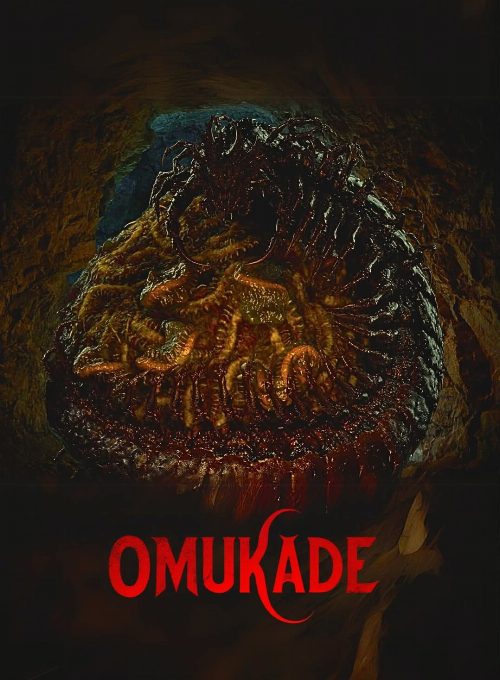
The story unfolds in a cursed mine, where Japanese soldiers and their captives find themselves trapped. As tensions between enemies reach a breaking point, they are forced to confront a terrifying, ancient monster lurking in the shadows.
Historical trauma meets supernatural dread in Omukade, a chilling genre experiment that pushes the boundaries of the Thai horror landscape. By transposing the claustrophobic tension of wartime survival into a subterranean nightmare, the film abandons standard jump scares in favor of a heavy, suffocating atmosphere. The narrative centers on a group of soldiers and their prisoners caught in a subterranean labyrinth, where the weight of past grievances is physically manifested through a primal, lurking threat. This choice to blend a period piece with creature feature elements reflects a broader trend in Southeast Asian cinema, where filmmakers are increasingly reclaiming historical settings to explore deeper psychological wounds through the lens of folk horror.
The film stands out by stripping away the typical comforts of a war drama, leaving its characters isolated in a darkness that offers no moral sanctuary. For viewers who appreciate the grim, high stakes of films like The Wailing or the claustrophobic dread found in recent regional survival thrillers, this project offers a refreshing shift in perspective. It does not simply rely on the brutality of combat but rather on the fragility of human alliances when faced with an existential danger that defies explanation. The production design appears to lean heavily into the damp, oppressive reality of its setting, ensuring that the environment itself functions as an antagonist alongside the unseen horror stalking the tunnels.
Fans of international cinema who enjoy stories that blend cultural history with dark fantasy will likely find this a compelling watch. The director positions the narrative as a bridge between historical accountability and pure visceral terror, a balance that is notoriously difficult to maintain. By focusing on the friction between captors and the captive, the film forces the audience to question where the true monster resides. It is an ambitious entry that seeks to elevate the standard ghost story into something more substantial, proving that the most frightening demons are often the ones we carry with us into the dark. As the industry continues to experiment with high-concept regional storytelling, this film serves as a testament to the power of genre blending, promising a cinematic experience that lingers long after the credits roll.