山海臺灣(2011)
About 山海臺灣
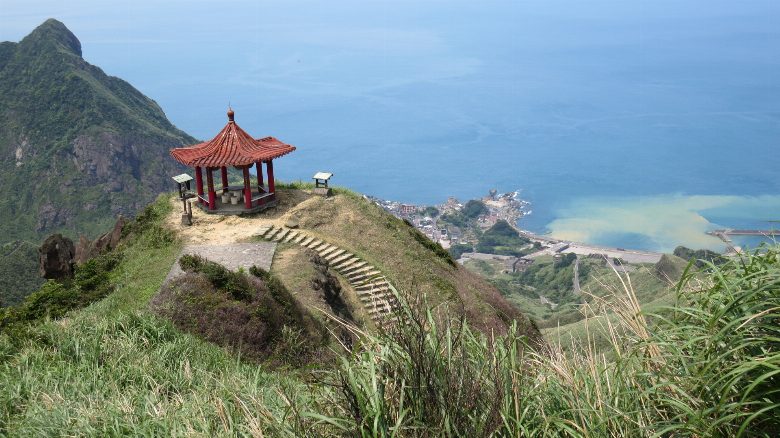
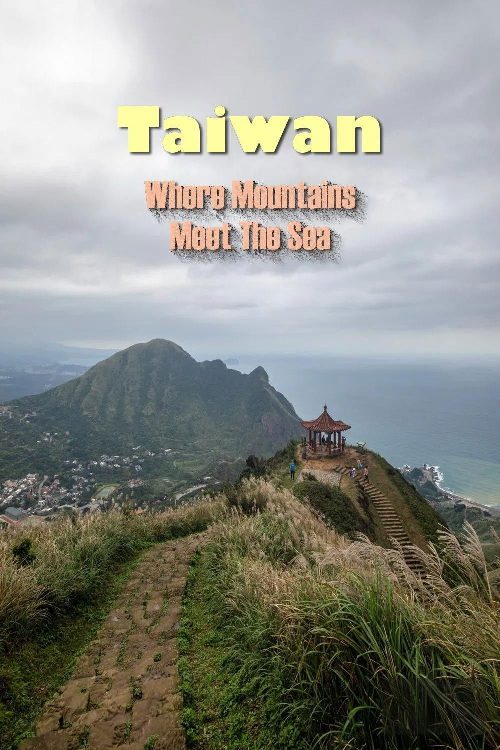
The film gives a glimpse of Taiwan's natural features, from high steep mountains, to shallow coral reefs. In between you'll find lush green fields, many wild life, but also the diverse way its people live. Because though Taiwan houses some of the world's biggest cities, the mountains running through the middle of the island cut the urbanised west from the more rural east. At the same time, Taiwan has a lot of different aboriginal tribes. Through this you might just come to appreciate Taiwan better than ever before.
The vast topographical paradox of Taiwan serves as the primary protagonist in the 2011 documentary Shanhai Taiwan, a film that captures the rhythmic intersection of rugged wilderness and rapid modernization. While contemporary Indian cinema often leans into dramatic narratives or high-octane action, this project offers a meditative departure, inviting viewers to witness the delicate balance of an island defined by its verticality. By traversing the dramatic contrast between the jagged central mountain ranges and the serene, shallow coral reefs that frame its borders, the film establishes a visual dialogue between the untamed natural world and the dense, neon-lit urban hubs that define the western coastline. It is a cinematic study in geography that feels particularly relevant for audiences who appreciate the lush, atmospheric storytelling often found in the best of Malayalam or independent Kannada regional documentaries.
The documentary distinguishes itself by refusing to view the landscape as a static backdrop, instead positioning the environment as a living entity that dictates the cultural and social rhythms of its inhabitants. By highlighting the distinct heritage of various aboriginal tribes, the film bridges the gap between the rural east and the industrialized west, suggesting that the true soul of the island resides in these overlooked pockets of tradition. For the global cinephile, especially those accustomed to the expansive vistas of the Himalayas or the Western Ghats, this exploration of Taiwan provides a fascinating parallel. It suggests that identity is rarely just about people, but about how those people adapt to the specific pressures of the earth beneath their feet.
Viewers who gravitate toward slow-paced, visually immersive non-fiction will find this work deeply rewarding. It eschews the frantic editing styles currently popular in mainstream commercial cinema in favor of long, lingering shots that demand patience and observation. The film is perfectly suited for those who view cinema as a tool for cultural discovery rather than simple escapism. By focusing on the intricate relationship between human settlement and environmental conservation, the director constructs a narrative that is both educational and deeply poetic. It stands as a testament to the idea that even in a world dominated by massive urban growth, there remains an essential, ancient connection to the land that continues to shape the future of every society, whether in East Asia or across the diverse regions of India.
Similar Films