About Fallen City
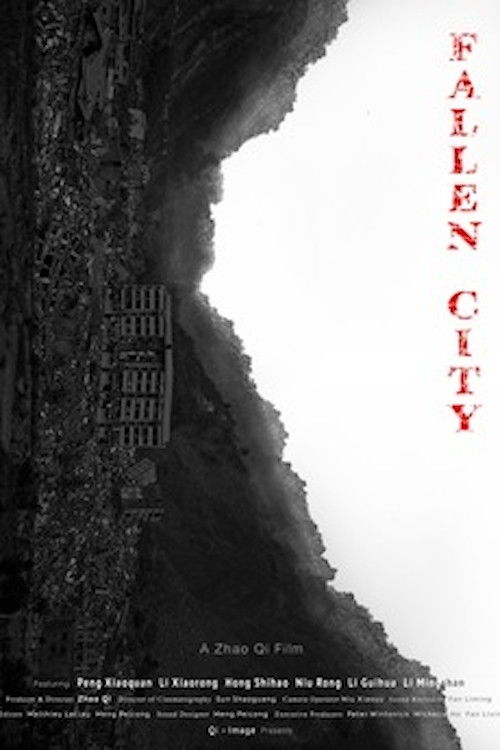
The 2008 earthquake in China utterly destroyed not only physical structures but also human lives in mountain cities like Beichuan. Through the gracefully interwoven stories of three survivors from the town, Fallen City documents the struggle to rebuild amidst ruin.
The 2008 Wenchuan earthquake remains a defining scar on the landscape of contemporary Chinese history, yet few cinematic works capture the psychological debris left in its wake as poignantly as Zhao Qi’s documentary Fallen City. While many regional films from industries like the Telugu or Tamil sectors often favor grand melodramatic narratives of disaster and redemption, this piece opts for a hushed, observational intimacy. By focusing on a small trio of residents whose existence was fractured by the seismic devastation of Beichuan, the director avoids the sensationalist traps often found in catastrophe filmmaking. Instead, he constructs a meditative inquiry into how individuals reconstruct their identities when the very ground beneath their feet has been erased, offering a stark reminder of the long-term emotional toll that follows the news cycle of a natural disaster.
This documentary serves as a profound departure from mainstream entertainment, appealing primarily to viewers who appreciate the slow-burn intensity of human interest stories over plot-driven spectacle. Its power lies in the quiet persistence of its subjects, who navigate the transition from a pulverized past to an uncertain future. For those accustomed to the high-energy rhythms of current global cinema, this film offers a necessary shift in perspective, grounding its narrative in the mundane realities of survival rather than the heroics typically associated with rescue operations. It stands as a testament to the resilience of the human spirit, capturing a specific moment in time where the architectural ruins of a city mirror the internal upheaval of its people.
Zhao Qi demonstrates a delicate hand here, ensuring that the camera acts as a witness rather than an intruder. The film does not demand the audience look away from the pain; rather, it invites them to sit with the silence that follows loss. As the reconstruction of the town progresses, the film probes whether a physical space can ever truly be restored when the community that inhabited it has been irrevocably altered. For cinephiles interested in the intersection of sociology and documentary filmmaking, this project represents an essential look at the fragility of civilization. It remains a vital watch for anyone who believes that the most harrowing stories are not those told with loud explosions, but those whispered in the aftermath of a world turning upside down.
Crew
Cinematography
Director
Similar Films