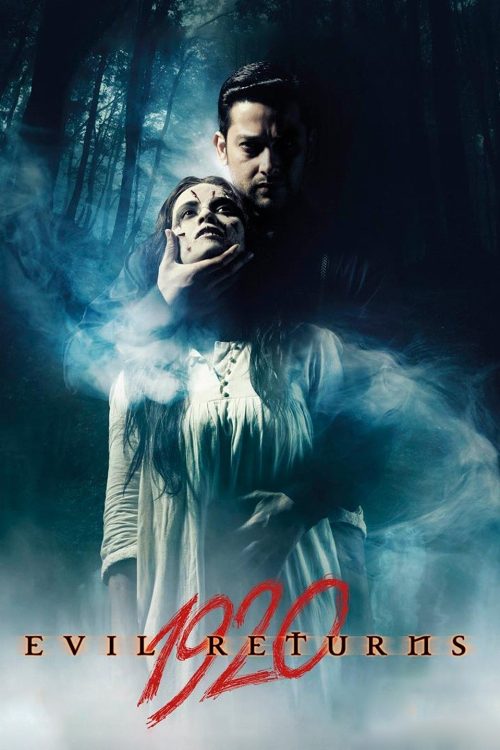
1920: Evil Returns(2012)
About 1920: Evil Returns
This story revolves around a famous poet who meets a woman who is in trouble. In order to treat her, he takes her to Shimla in a big hospital, but soon that woman gets possessed by devil and goes out of control. Now the question remains that what is the relation that poet shares with her which compelled him to go to any extent to save her, why she was possessed by devil and who is the devil.
Cinema often thrives on the intersection of gothic atmosphere and high-stakes melodrama, a space where the Hindi horror genre frequently experiments with stylistic flair. 1920 Evil Returns serves as a notable entry in this tradition, leaning heavily into the moody, period-specific aesthetics that have become a hallmark of its franchise. By juxtaposing the lyrical vulnerability of a celebrated writer with the visceral terror of a supernatural affliction, the film explores the boundaries of devotion and the dark secrets hidden within seemingly tranquil mountain retreats. It functions as a classic exercise in building dread, utilizing the isolation of the Himalayan landscape to amplify the psychological unraveling of its central characters.
The film distinguishes itself by prioritizing emotional stakes over mere jump scares, focusing on the mysterious bond that drives the protagonist to risk everything for a stranger in distress. This narrative choice reflects a broader trend in Indian cinema where supernatural thrillers are increasingly grounded in human tragedy and complex backstories. Sharad Kelkar brings a grounded presence to the role of the poet, providing a steady anchor amidst the escalating chaos that consumes his companion. For audiences who appreciate the atmospheric tension found in films like the original 1920 or similar supernatural period pieces, this feature offers a familiar yet engaging experience that balances traditional genre tropes with a heightened sense of theatricality.
Bhushan Patel directs with an eye for dramatic staging, ensuring that the visual language of the film matches the intensity of its haunting premise. Rather than relying solely on creature effects, the production leans into the internal struggle of the possessed, creating a sense of urgency that permeates every scene set within the imposing medical facility. Viewers who enjoy stories centered on redemption, hidden histories, and the desperate search for answers will find much to unpack here. It remains a significant piece of the early 2010s horror landscape, capturing a moment when Hindi filmmakers were aggressively expanding the visual scope of their thrillers. Whether it is the chilling score or the claustrophobic interiors of the old manor, the film succeeds in establishing a distinct mood that lingers long after the credits roll, inviting viewers to question the true nature of the evil lurking behind the veil of the protagonist’s noble intentions.