About A Normal Family
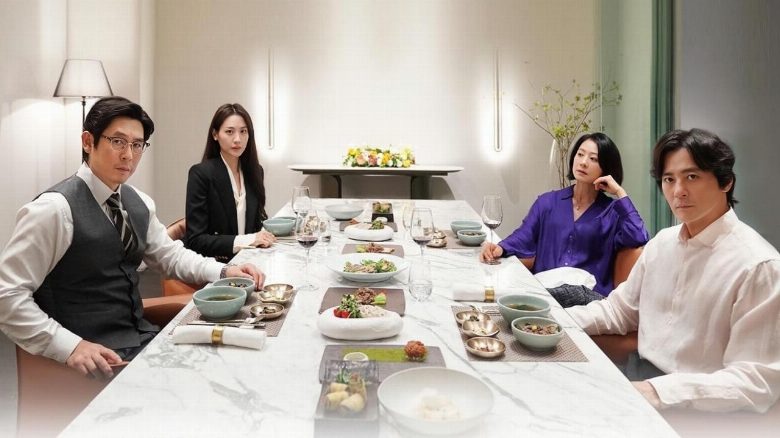
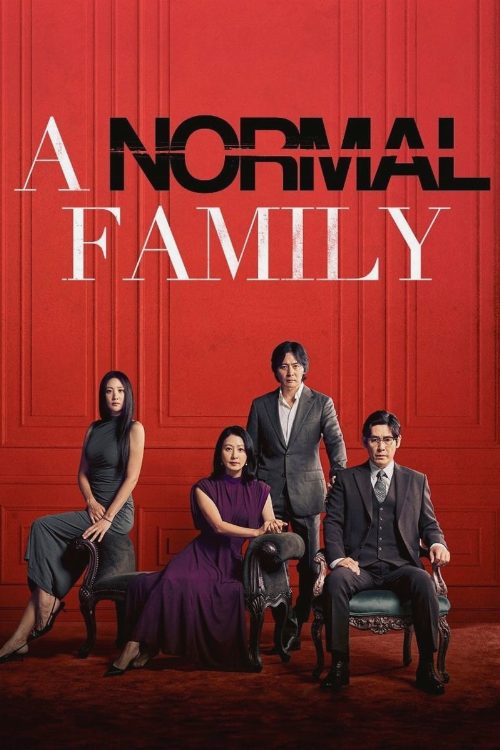
Jae-wan, a successful lawyer, takes on the case of a rich executive's son, who has purposely run over and killed a man and left his daughter seriously injured. It's Jae-wan's job to defend a murderer, just another rung on his career's golden-stepped ladder. His younger brother, on the contrary, is a scrupulous and upstanding paediatrician, who always puts the health of his patients over profit and money, often contravening the rules of the private clinic where he works. The brothers meet once a month with their wives for fine dining in expensive restaurants, but when an unexpected situation involving their teenage kids arises, their consciences are questioned and their usual dinner conversation takes an unexpected turn.
The moral architecture of a typical family dinner collapses under the weight of a harrowing revelation in the latest South Korean psychological thriller, A Normal Family. This gripping narrative dissects the fragile boundary between parental instinct and ethical responsibility, placing two brothers at the center of an impossible dilemma. While one sibling navigates the cutthroat world of high-stakes legal defense, the other operates as a dedicated pediatrician driven by a rigid sense of integrity. Their monthly tradition of refined social gatherings serves as the perfect stage to observe how deeply seated convictions unravel when the next generation becomes entangled in a criminal act. Unlike many genre entries that rely on visceral action, this film focuses on the claustrophobic tension of a slowly fracturing domestic life, forcing the audience to grapple with the lengths a parent might go to protect their own blood.
In the broader landscape of contemporary international cinema, this work feels like a natural evolution of the prestige thriller format that has gained significant traction across global markets. For fans of Indian regional cinema who appreciate the gritty, character-driven storytelling often found in the Malayalam or Tamil industries, this film offers a similar depth of psychological scrutiny. It eschews traditional hero narratives in favor of a cold, analytical gaze at the corruption of values. The director crafts a slow-burn experience that transforms an ordinary evening into a battlefield of ideologies, making it an essential watch for viewers who enjoy high-concept dramas where the stakes are entirely internal rather than physical.
The strength of the film lies in its ability to strip away the veneer of modern success to reveal the raw, often ugly impulses beneath. It challenges the viewer to look past the wealth and professional accolades of these men and confront the reality of their choices. Those who admire tight, ensemble-based thrillers will find much to dissect here, as the screenplay masterfully balances the perspectives of the four adults caught in the fallout. By focusing on the intersection of class privilege and parental duty, the story manages to feel both culturally specific to its Korean setting and universally resonant. It is a sophisticated addition to the current wave of suspense cinema, positioning itself as a must-see for anyone who appreciates a narrative that refuses to offer easy answers or moral comfort.
Cast(19)