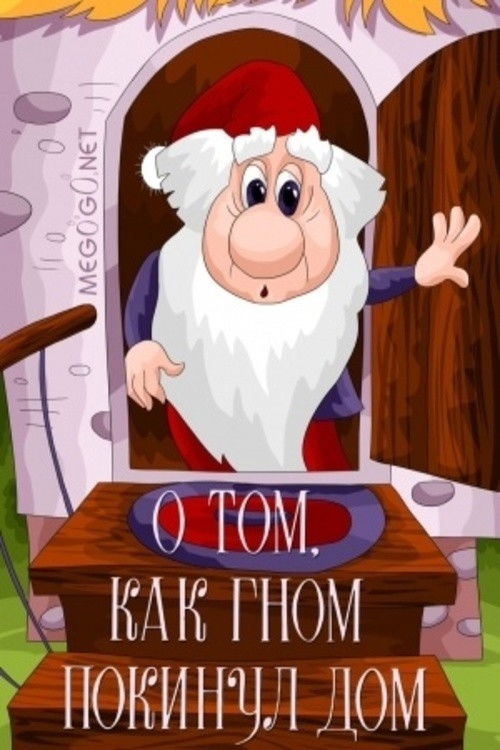
About the Gnome Which Left the Home(1976)
About About the Gnome Which Left the Home
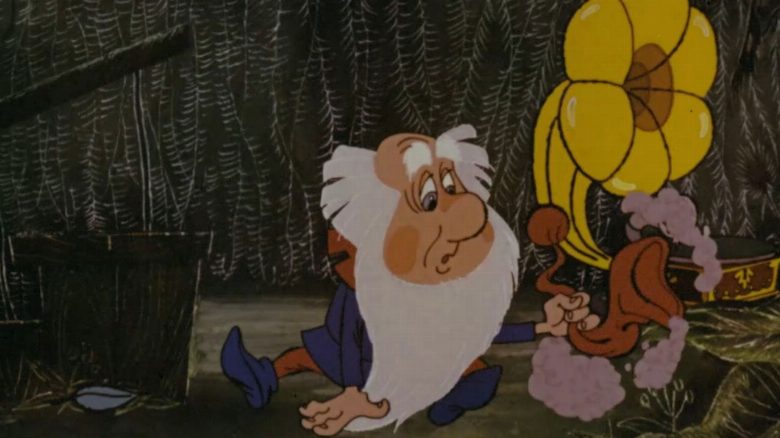
The story about the gnome and his anthropomorphic house which is afraid of the dark.
Few cinematic treasures from the Soviet animation golden age possess the whimsical charm and existential curiosity found in the 1976 fantasy About the Gnome Which Left the Home. Directed by Vladimir Popov, a luminary whose later works would define the aesthetic of an entire generation, this short film functions as a beautifully rendered meditation on displacement and the comfort of familiarity. While Western audiences often associate Eastern European animation with stark, surrealist imagery, this particular production leans into a softer, more fable-like sensibility that feels surprisingly modern in its emotional intelligence. The narrative centers on a minuscule protagonist whose living quarters exhibit a personality of their own, creating a dynamic that challenges traditional views on home and security.
Within the broader landscape of world cinema, this film serves as a fascinating precursor to contemporary tales exploring the sentient nature of the spaces we inhabit. It captures a specific melancholic yet hopeful tone that resonates with fans of international animation who appreciate stories that prioritize character development over high-octane spectacle. For viewers accustomed to the polished, hyper-kinetic nature of modern digital animation, Popov offers a tactile, hand-drawn experience that invites the audience to slow down and consider the anxieties of his tiny, house-bound lead. The voice work by Vladimir Osenev provides a grounding element, lending a palpable sense of vulnerability to a character who is fundamentally defined by his fear of the unseen.
This work is essential viewing for those interested in the history of global animation and the ways in which Soviet-era creators translated complex human fears into allegorical fantasy. It stands as a testament to the idea that even the smallest stories can explore the universal human impulse to seek safety while balancing the inherent desire for discovery. Whether you are a dedicated scholar of Eastern Bloc cinema or simply a casual viewer seeking a poignant, atmospheric experience, the film remains a captivating piece of art. It represents a period when creators were masters of economy, using minimal dialogue and expressive visuals to communicate themes of courage and belonging that transcend the language barriers of the mid-seventies. By focusing on the relationship between an individual and their environment, the film remains a quiet, enduring highlight of its genre, proving that the most profound journeys are sometimes the ones that begin right on one's own doorstep.
Cast(1)
Crew
Director of Photography
Sound Director
Producer
Writer
Director
Art Direction
Original Music Composer
Editor
Similar Films