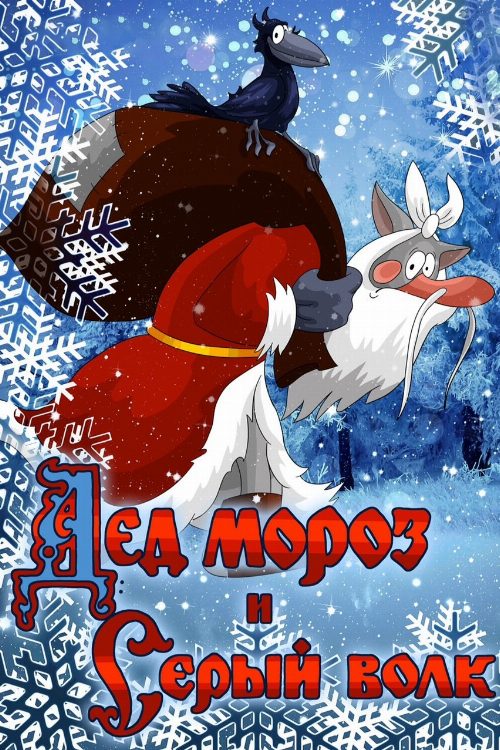
About Father Frost and the Grey Wolf
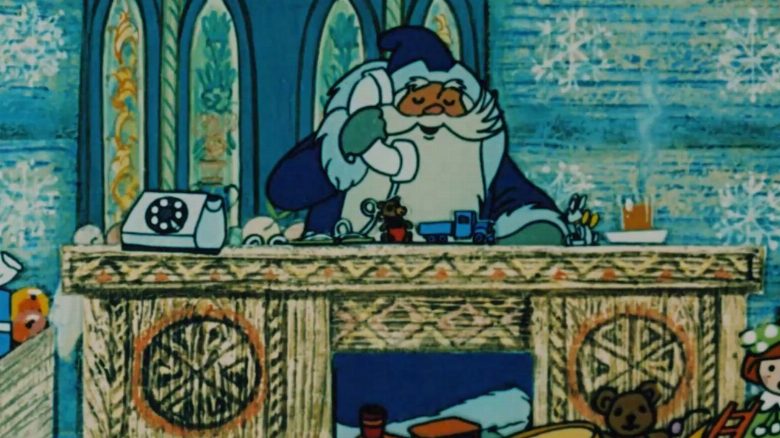
It is a New Year's fairy tale about Ded Moroz who hastened with the gifts for children's holiday, and about the Wolf who tried to prevent him to do it.
Stepping away from the powerhouse narratives of Tollywood or the gritty realism currently defining much of Indian independent cinema, it is fascinating to revisit the whimsical charm of late Soviet-era animation. Father Frost and the Grey Wolf, directed by Vitold Bordzilovskiy, stands as a quintessential piece of Eastern European folklore translated into a colorful, hand-drawn aesthetic. While contemporary viewers might be accustomed to the high-gloss digital rendering of modern global blockbusters, this 1978 gem offers a nostalgic, tactile experience that feels remarkably distinct from the typical commercial fare found in Mumbai or Hyderabad. The premise centers on the seasonal figure of Ded Moroz, the Slavic equivalent of Santa Claus, as he traverses a wintry landscape to deliver presents, only to find his journey hindered by the mischievous schemes of a hungry, cunning wolf.
This work serves as a masterclass in character-driven storytelling, relying on the iconic voice work of Anatoliy Papanov to bring the wolf to life. Much like the archetypal villains found in regional Indian folktales or the beloved characters of classic Amar Chitra Katha comics, the wolf here is not merely a force of evil but a vehicle for comedic friction. The film thrives on the contrast between the benevolent, steady presence of the gift-bringer and the chaotic, bumbling nature of his adversary. For audiences who appreciate the moral simplicity of fables, this production captures a specific cultural ethos where the transition into a new year is framed through a lens of wonder and collective celebration rather than individualistic triumph.
Those who find themselves drawn to the stylistic purity of vintage cel animation will likely appreciate how the film maintains its integrity without the need for complex subplots or modern pacing. It sits comfortably alongside the era of grand, traditional animation that paved the way for the global cinematic landscape we navigate today. While it may lack the high-octane musical numbers or dramatic stakes of a big-budget Hindi or Tamil production, its charm lies in its brevity and its commitment to a singular, cozy atmosphere. It is an ideal watch for film enthusiasts looking to broaden their horizons beyond the Indian subcontinent, offering a portal into the seasonal storytelling traditions of the Soviet Union that remain surprisingly resonant in their warmth and visual inventiveness. Whether you are a student of animation history or simply someone seeking a gentle, storybook escape, this classic remains a durable piece of artistic heritage.
Cast(8)



Crew
Writer
Director
Similar Films