About Apne Dam Par
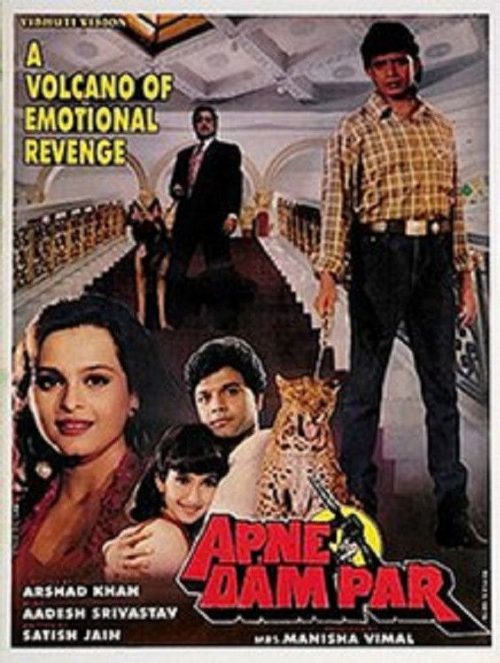
Ram (Mithun Chakraborty) and Sapna Saxena (Shilpa Shirodkar) are in love. Sapna's brother Ranjit Saxena (Shakti Kapoor) is considered as best businessman of India. He is very proud of his wealth and status. He is planning to marry his sister to his business partner Verma's (Raza Murad) house. However, when Ranjit comes to know that his sister is in love with Ram who is merely a motor mechanic, he becomes furious. He tries to convince Ram to leave his sister by offering him money but Ram rejects his offer. Ranjit plans to murder Ram. But Sapna comes his way and sacrifices her life for Ram. The history repeats itself when Ram's younger brother Shayam (Irfan Kamal) and Ranjit's sister Divya Saxena (Anita Sharadda Nigam) fall in love. Will Shayam and Divya face the same consequences as Ram and Sapna or Ram will succeed to get his brother's love that is film's climax.
The landscape of mid-nineties Hindi cinema was defined by a specific brand of high-stakes melodrama, and Apne Dam Par sits squarely at the intersection of class conflict and intense familial loyalty. Arshad Khan crafts a narrative that centers on the rigid barriers between the wealthy elite and the working class, utilizing the familiar trope of a romance thwarted by status anxiety. By juxtaposing the humble life of a mechanic against the cold, corporate arrogance of a powerful businessman, the film taps into the era’s fascination with social mobility and the moral superiority of the common man. It serves as a time capsule for viewers interested in how nineties Bollywood navigated the tensions between traditional power structures and the evolving desires of a younger generation.
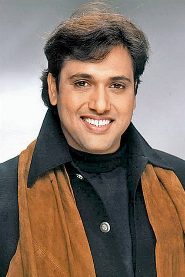
What distinguishes this production is its ensemble cast, which anchors the heavy drama in recognizable star power. Mithun Chakraborty, a figure synonymous with the quintessential hero of the masses, brings a rugged intensity to his role that provides a necessary counterpoint to the more polished, antagonistic presence of the wealthy elite. The presence of actors like Govinda and Sonali Bendre further elevates the project, blending the emotional weight of the screenplay with the vibrant, performance-heavy style that dominated the Hindi industry during that decade. For audiences who appreciate the dramatic flair of nineties cinema, the film offers a compelling look at how star personas were carefully curated to resonate with the socioeconomic aspirations of the Indian public.
The narrative structure, which hints at the cyclical nature of tragedy and the persistent struggle for autonomy, suggests a story that prioritizes emotional stakes over subtle realism. It is positioned as a classic tale of defiance, where the protagonists must navigate treacherous family dynamics to secure their futures. Those who enjoy high-octane confrontations, moral dilemmas, and the classic confrontation between love and greed will likely find the pacing and thematic focus of this movie to be a quintessential example of its time. By focusing on the struggle to break free from the expectations imposed by influential family members, the film explores universal themes of agency and resilience that remain relevant even as the storytelling conventions of the industry have shifted in the decades since its release.
Cast(10)