Auschwitz - One Day(2020)
About Auschwitz - One Day
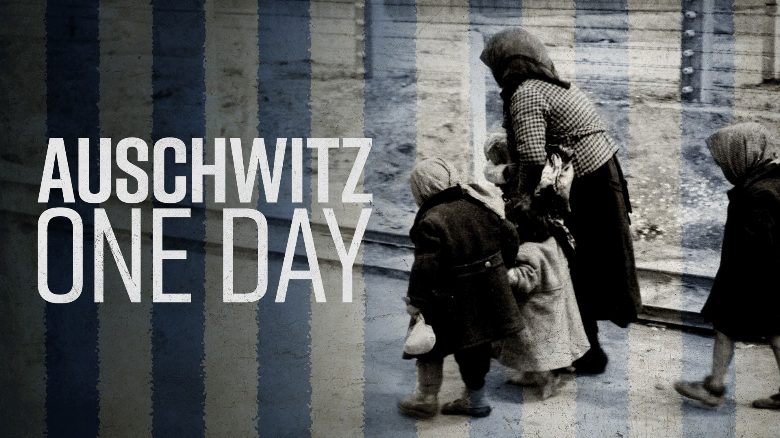
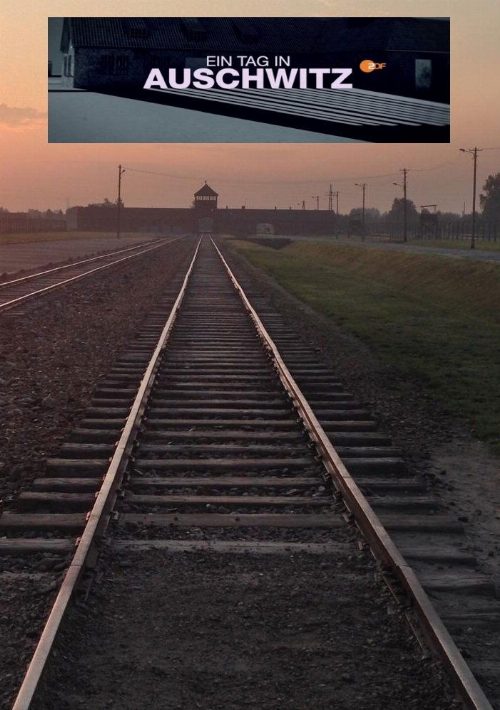
Today, the word "Auschwitz" is a synonym for the Holocaust. Thousands of Jews died there every day. With the help of some acted scenes, photos and graphics, the film tells of a day in May 1944. The starting point is a unique document: a photo album created by the SS perpetrators themselves. Almost all of the photos were taken at the end of May 1944, in just a few days. They show the cruel routine, the arrival of the victims, their "selection" on the ramp, the robbery of their property and the transformation of all those who were not immediately killed, into shaved, uniformed slaves. One survivor is Irina Weiss. On a photo she recognizes her little brothers and her mother - waiting unsuspectingly near the crematorium. The SS photographers captured all of this. Their identity is known today: one of them was Bernhard Walter, a "Stabsscharführer" who lived with his wife and three children near the extermination camp.
The haunting legacy of the Holocaust often feels distant through the blurred lens of historical distance, yet Auschwitz One Day brings the terrifying mechanics of genocide into chillingly sharp focus. By centering its narrative on a specific collection of photographs taken by the SS themselves, the documentary strips away the abstraction of statistics to reveal the banal, systematic cruelty of a single day in May 1944. This is not merely a historical record but a visceral exploration of how perpetrators documented their own crimes, capturing the transition from human life to industrial slaughter. For audiences accustomed to the high-octane emotional beats of contemporary Indian cinema, where historical dramas often favor grand spectacles or heroic arcs, this film offers a starkly different, meditative experience that demands profound introspection rather than mere entertainment.
The film distinguishes itself by juxtaposing archival imagery with modern analysis, creating a bridge between the clinical perspective of the SS photographers and the traumatic memories of those who survived. By highlighting the testimony of individuals like Irene Weiss, who identifies her own family members in these captured moments of impending tragedy, the documentary transforms static images into powerful vessels of grief and truth. This approach resonates with the growing global interest in non-fiction storytelling that challenges the viewer to look closer at the sources of our collective memory. It serves as a somber reminder that history is not just a collection of dates, but a series of individual experiences that have been meticulously organized and often weaponized by those in power.
Viewers who appreciate rigorous investigative storytelling and documentaries that prioritize primary sources over theatrical reenactment will find this work essential. It is particularly relevant for those interested in the ethics of image-making and the long-term psychological impacts of state-sponsored violence. While the film is rooted in the specific geography of German history, its themes regarding systemic dehumanization and the importance of bearing witness are universal. In an era where visual media is consumed rapidly and often uncritically, this documentary acts as a necessary anchor, forcing a confrontation with the uncomfortable realities preserved in the archives. It stands as a testament to the endurance of memory, ensuring that even the most calculated attempts to record and erase human existence cannot silence the stories of the victims.