
About Tokyo-Ga
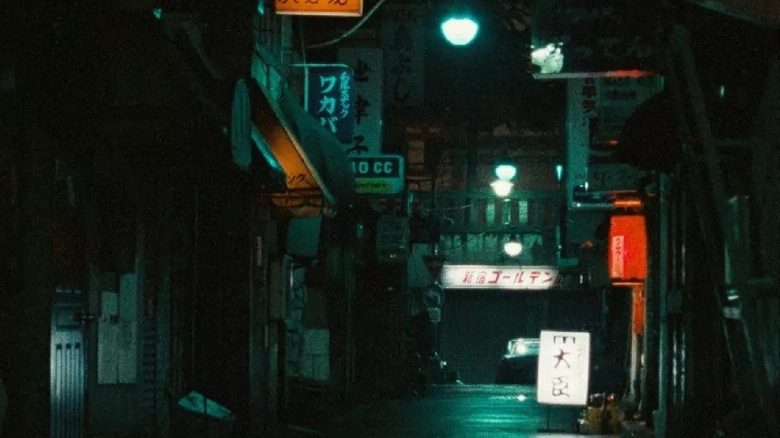
German director Wim Wenders tries to explore the Tokyo that was depicted in the films of Yasujiro Ozu and finds a very different city.
Venturing into the neon-drenched labyrinths of the Japanese capital, Wim Wenders crafts a cinematic pilgrimage that transcends the traditional boundaries of documentary filmmaking. While many directors might seek to capture a city through its current pulse, Wenders approaches Tokyo as a layered palimpsest, constantly measuring the frantic urban sprawl against the quiet, domestic stillness immortalized by the legendary Yasujiro Ozu. By seeking out the ghosts of classic cinema within the bustling reality of the mid-eighties, the film becomes a meditative essay on how time, technology, and cultural identity collide. It is a profound exploration of the gaze, asking us to consider whether we are ever truly seeing a place as it exists, or merely reflecting our own preconceived notions onto the concrete and glass before us.
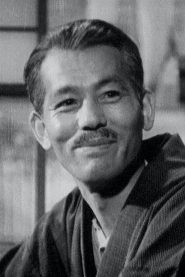
The film serves as a vital bridge between European independent cinema and the aesthetic sensibilities of Japanese masters. For followers of world cinema who admire the rigorous, empathetic framing found in the best of Malayalam or Tamil realist dramas, this piece offers a similar masterclass in observation. Wenders does not merely document the geography; he searches for the human spirit that Ozu once captured, interviewing key collaborators like cinematographer Yuharu Atsuta and actor Chishu Ryu. These exchanges provide an intimate look at the craftsmanship of a bygone era, contrasting the patient, low-angle artistry of the past with the sensory overload of a rapidly modernizing society. It is a brilliant study of artistic legacy, positioning the filmmaker not as an objective observer, but as a nostalgic traveler grappling with the inevitable erasure of history.
Viewers who enjoy slow-burn intellectual cinema will find this work deeply rewarding, especially those who appreciate the intersection of travelogue and philosophical inquiry. It is not a film for those seeking plot-driven narratives, but rather an experience for the cinephile who values the history of the medium. Wenders excels at finding the poetic in the mundane, turning a pachinko parlor or a fish market into a stage for profound existential reflection. As the global film industry continues to prioritize rapid pacing, returning to this vintage documentary reminds us of the power of stillness and the importance of looking back to understand where we are going. It remains a essential viewing for anyone interested in the dialogue between different cultures and the enduring, yet fragile, nature of cinematic memory.
Cast(4)


Crew
Director of Photography
Producer
Sound Re-Recording Mixer
Production Assistant
Thanks
Original Music Composer
Similar Films